10 Days Tribes Tour of South Sudan

Overview
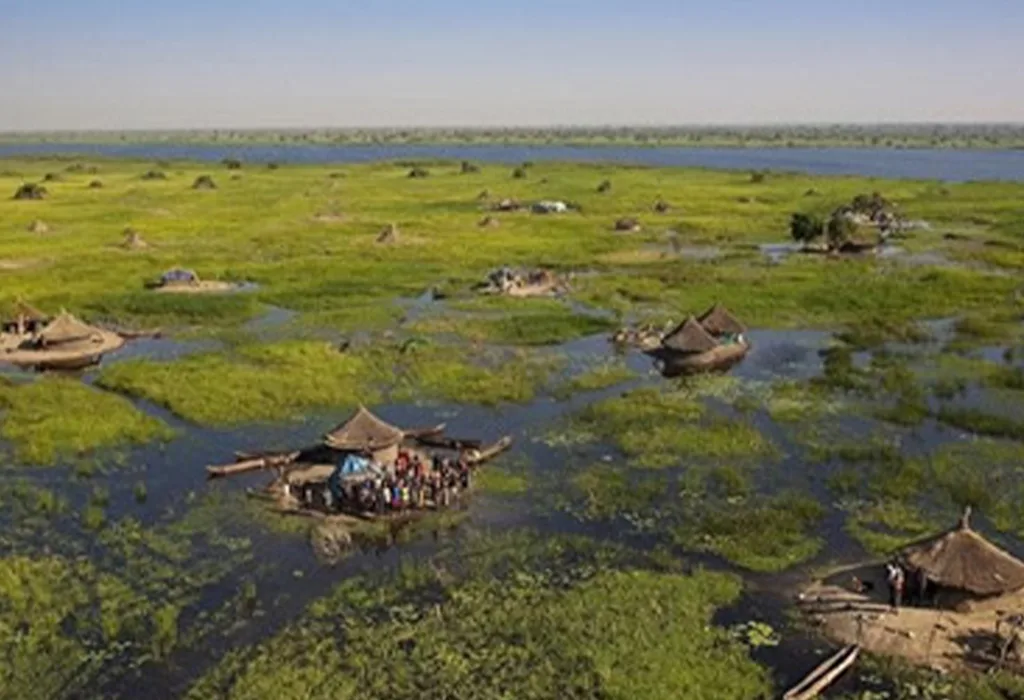
An extraordinary 10-day guided expedition through South Sudan’s remote regions, where ancient tribal cultures remain deeply rooted and proudly preserved.
Tour Highlights
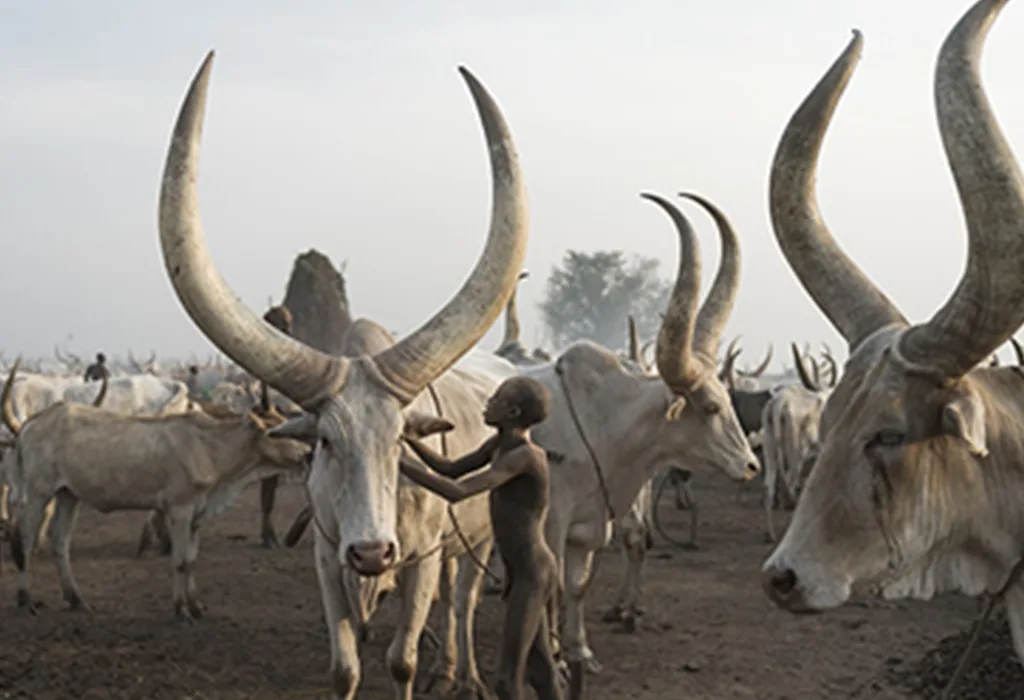
- Meet the Mundari, known for their dramatic cattle camps and ash-covered body art
- Visit the Toposa, adorned with intricate scarification and traditional jewelry, and the Larim (Boya) of the hills of Eastern Equatoria
- Witness ceremonial rituals, traditional dances and daily life that few outsiders ever see
- Travel with experienced guides and local facilitators who emphasize respectful cultural interaction and photography
Accommodation ranges from basic lodges to wild bush camping, an authentic and raw adventure for seasoned travelers.
What To Expect
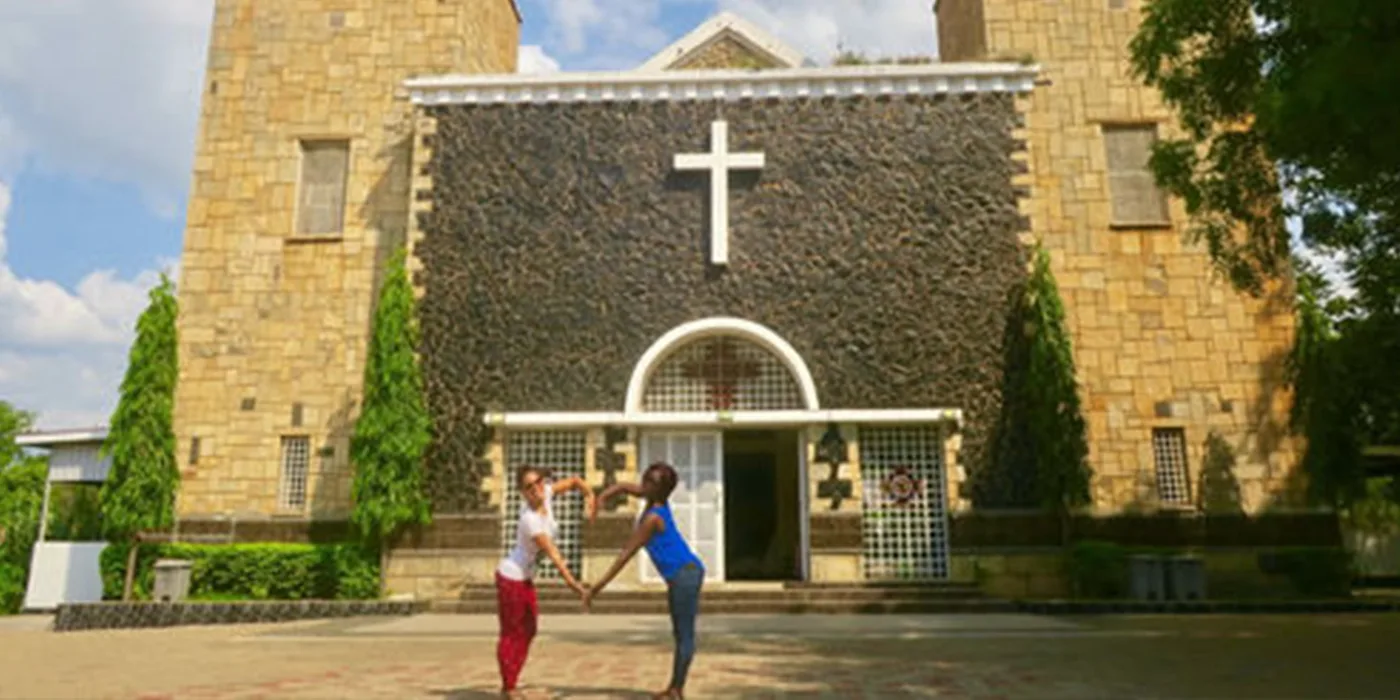
Day 1 begins with your arrival in Juba, the capital of South Sudan. Upon landing, you are met by your guide and transferred to your hotel. After some rest, you can take a short orientation tour of the city, visiting landmarks such as the Juba market and the John Garang Mausoleum. This day serves as your introduction to the culture, atmosphere, and pace of life in the world’s youngest country.
On Day 2, you take a domestic flight or overland journey to the town of Kapoeta in Eastern Equatoria State, located in the southeastern part of the country. This area is home to the Toposa people, one of South Sudan’s most traditional and strikingly adorned tribes. After arriving in Kapoeta, settle into your accommodation and prepare for your cultural immersion. Depending on arrival time, you may visit a nearby Toposa village for a brief introduction.
Day 3 is dedicated to exploring the villages of the Toposa. You spend the day visiting remote communities, learning about their body scarification practices, beadwork, and pastoral lifestyle. The Toposa are semi-nomadic cattle herders, and their customs are closely tied to their livestock. You have opportunities to interact with villagers, take photographs (with permission), and witness traditional dances or ceremonies if available. Overnight is spent in Kapoeta or in a nearby camp.
On Day 4, the journey continues toward the Boya Hills, home to the Larim (or Boya) people. The drive offers stunning views of the arid landscape dotted with granite outcrops. Upon arrival, you explore Boya villages perched on hillsides and surrounded by beautiful scenery. The Larim are known for their body painting and architectural style, building round huts with decorative thatched roofs. You camp near one of the villages and spend the evening learning about their traditions.
Day 5 is spent further exploring the Boya area. You join the community in their daily activities, such as fetching water, grinding grain, or herding animals. The cultural experience is immersive and respectful, offering insights into the Larim’s way of life, their beliefs, and their connection to the land. In the late afternoon, enjoy the panoramic views of the savannah below from your camp.
On Day 6, you travel to the Lotuko region near Torit. The Lotuko people live in stone built villages often nestled into the hills. After arriving in the area, you visit their settlements and learn about their clan based social structure, animist traditions, and agricultural lifestyle. The Lotuko are skilled farmers and builders, and their hillside villages are among the most scenic in the region. You camp in or near a Lotuko village.
Day 7 is a full day spent with the Lotuko. You hike around the area, explore ancient paths and shrines, and meet elders who share stories of their heritage. This day provides a deeper understanding of how traditional beliefs blend with modern influences in remote South Sudanese communities. The evening is spent around the campfire, often with songs or storytelling from the local hosts.
On Day 8, you begin the return journey toward Juba, stopping in smaller towns and regions along the way. Depending on the route and time available, you may visit additional tribal groups such as the Lopit, who are known for their vibrant dress and agricultural skills. You arrive in Juba in the evening and check into your hotel, with time to relax after days of travel.
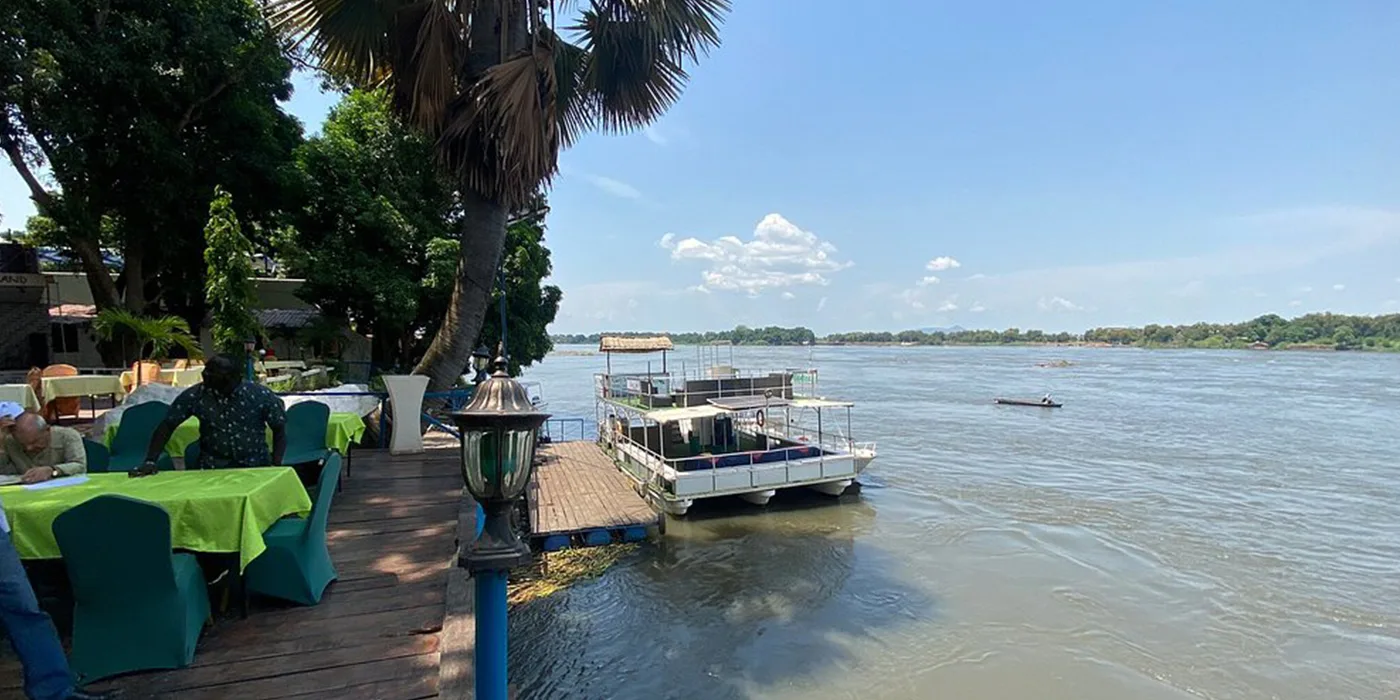
Day 9 is spent in and around Juba. You can revisit the market for souvenirs, meet with local artists or musicians, or take a cultural walk along the Nile River. If available, a visit to a Dinka community near the city may be arranged, offering a final chance to observe one of South Sudan’s largest and most influential tribes. This day serves as a soft landing and reflection on your cultural journey.
Day 10 marks the end of your tour. After breakfast, depending on your flight schedule, you are transferred to Juba International Airport for your departure. The memories of the diverse tribes, striking landscapes, and unique cultural encounters of South Sudan accompany you as you leave this rarely visited but culturally rich country.
What's included
- Professional English-speaking local guide
- Private 4WD or tourist vehicle with driver, including fuel
- Accommodation as per the itinerary
- Meals as per the itinerary
- All entrance fees to the sites listed in the itinerary
- Airport and hotel transfers
- Bottled drinking water during the tour
- Government taxes and service charges
What's not included
- International flights, and domestic flights unless stated in the itinerary
- Ethiopian visa (an e-visa can be obtained online)
- Travel and medical insurance
- Tips for the guide and driver
- Alcoholic and soft drinks
- Personal expenses and laundry
- Camera and video fees at sites, unless stated in the itinerary
- Any services not mentioned under What's Included
Frequently Asked Questions
What is the best time to visit South Sudan for tribal tours?
The dry season from November to April is the best time to visit South Sudan, as unpaved routes to Mundari, Toposa, Boya, and Dinka cattle camps are accessible and pastoralist communities gather along key riverbanks.
Do you handle South Sudan visa invitations and photography permits?
Yes, Lucy Ethiopia Tours provides official eVisa invitation letters and arranges all required Ministry of Wildlife/Tourism travel and photography permits upon arrival in Juba.
What accommodation and logistics are included in South Sudan?
Our South Sudan expeditions include Juba hotel stays, full-service mobile expedition camping in tribal regions, 4x4 land cruisers, private camp cook and meals, community fees, and local guides.
Route Map

Rated Excellent on Tripadvisor
Proudly Community-Owned
The communities visitable in this area are warm and friendly. If you would like to support them directly, small donations are highly appreciated:
- Pens and school supplies
- Books
- Used clothes
- Children's items
- Any useful materials you feel may benefit the local community