

South Omo Valley Cultural Tour
A South Omo Valley Cultural Tour connects you ethically with one of Africa’s most culturally diverse tribal regions along the lower Omo River basin. The South Omo Valley remains one of Africa’s most culturally fascinating destinations, offering travelers a rare opportunity to engage with diverse indigenous communities whose traditions have been preserved for generations.
South Omo Valley Cultural Tour
Our carefully curated tours provide respectful and ethical access to villages, cultural ceremonies, local markets, and extraordinary landscapes throughout the region. Guided by experienced local experts, you’ll gain meaningful insights into the customs, artistry, and daily lives of communities such as the Hamar, Mursi, Karo, and Dassanech, creating experiences that are both memorable and culturally enriching.
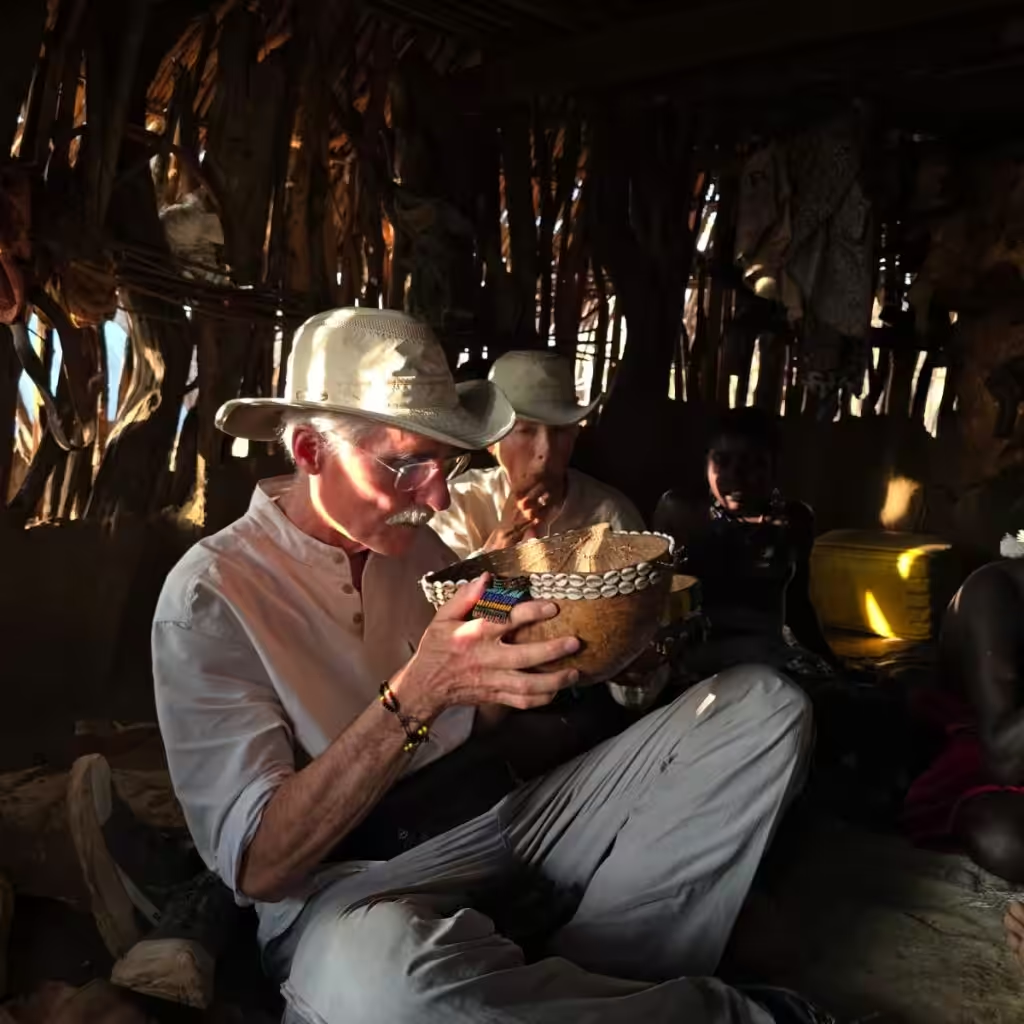

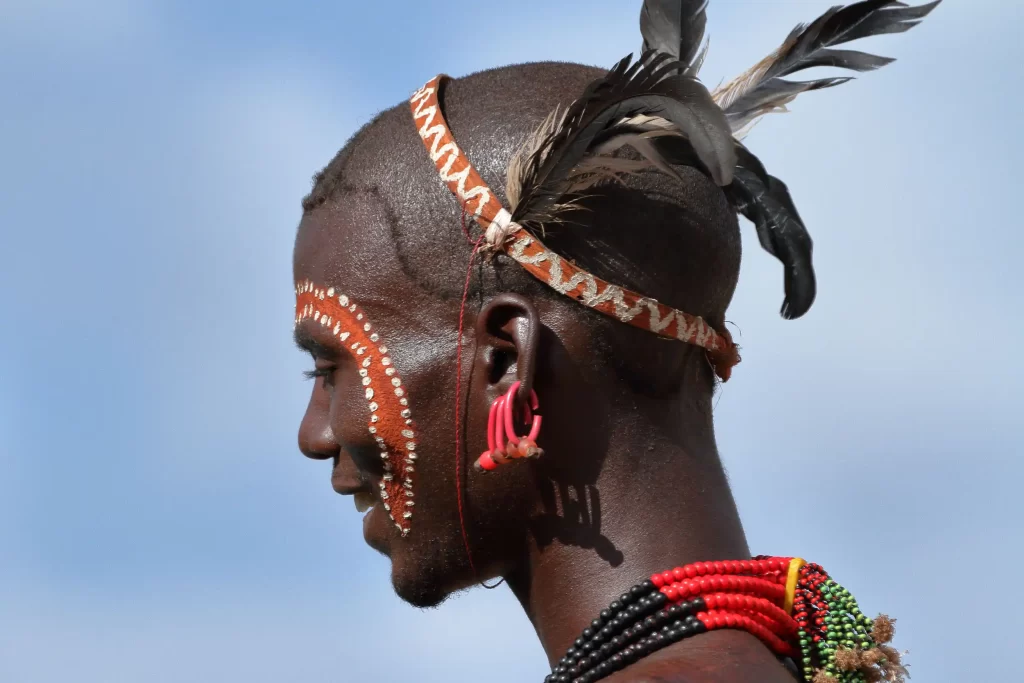
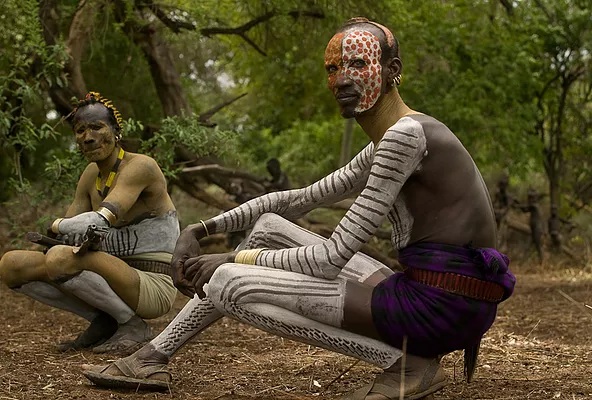






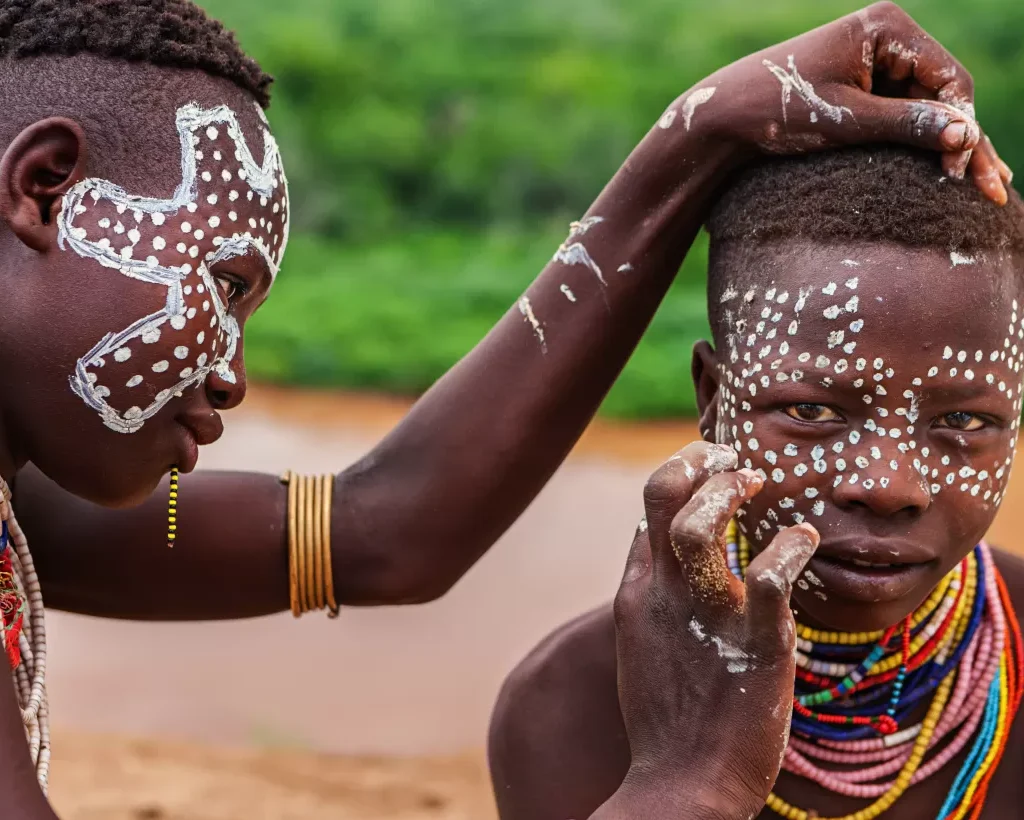

Championing Cultural Preservation. Meet our Tribal Partners.
Sustainable tourism is committed to protecting regional ecosystems and preserving local customs.
Learn about Ethical StewardshipFrequently Asked Questions
Which tribes can I visit on a South Omo Valley cultural tour?
Tours in the region provide access to the Hamar, Mursi, Karo, Dassanech, and other indigenous communities in Ethiopia's Lower Omo Valley, known for distinct traditions such as Hamar bull-jumping ceremonies and Karo body painting.
How many days do I need for an Omo Valley tour?
Trip lengths range from a 2-day Mursi and Ari tribes tour up to an 11-day combination itinerary with the Bale Mountains and Chebera Churchura, with most cultural tours running 3–8 days to comfortably cover multiple tribal regions and market towns like Turmi, Jinka, and Key Afer.
Can South Omo Valley tours be combined with the Danakil Depression?
Yes — Lucy Ethiopia Tours offers a 7-day South Omo Valley and Danakil Depression tour and a 9-day expedition combining the Danakil Depression, Omo Valley, and Lalibela for travelers wanting both the volcanic north and cultural south in one trip.
Is South Omo Valley tourism ethical and respectful to local communities?
Reputable operators emphasize community-based, ethical tourism that provides fair compensation for village visits and respects local customs — this is a key consideration given the region's history of exploitative "human safari" style tourism criticized by anthropologists and travelers alike.