

Lalibela
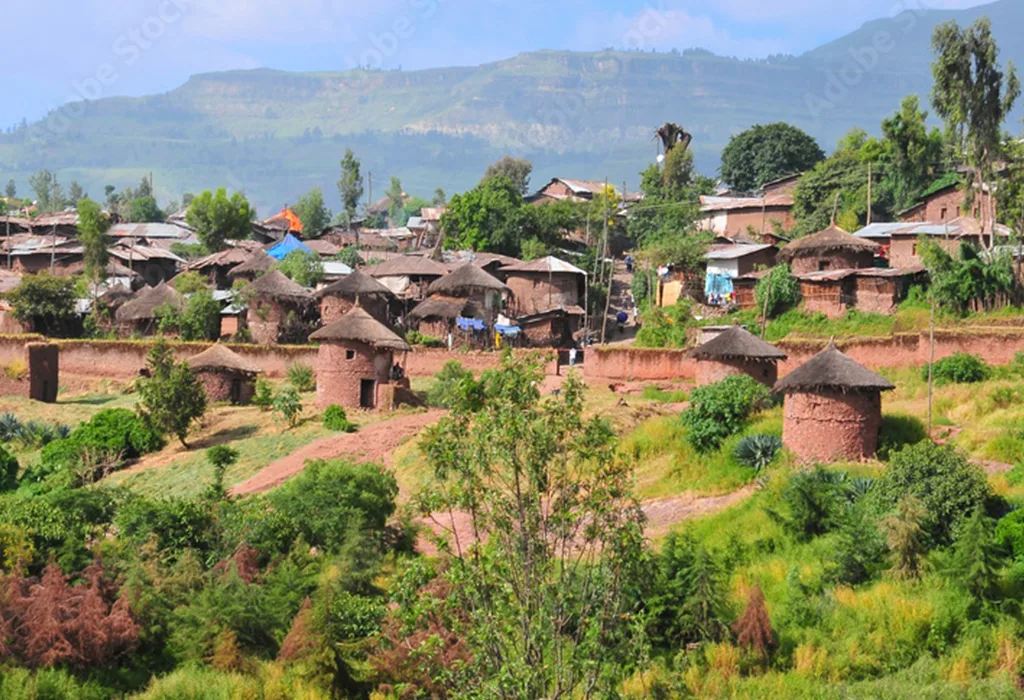
Carved downward into solid volcanic rock more than 800 years ago, the eleven monolithic churches of Lalibela are one of the wonders of the medieval world — and still a living centre of Ethiopian Orthodox faith, where white-robed pilgrims and chanting priests fill the courtyards at dawn.
The Rock-Hewn Churches of Lalibela
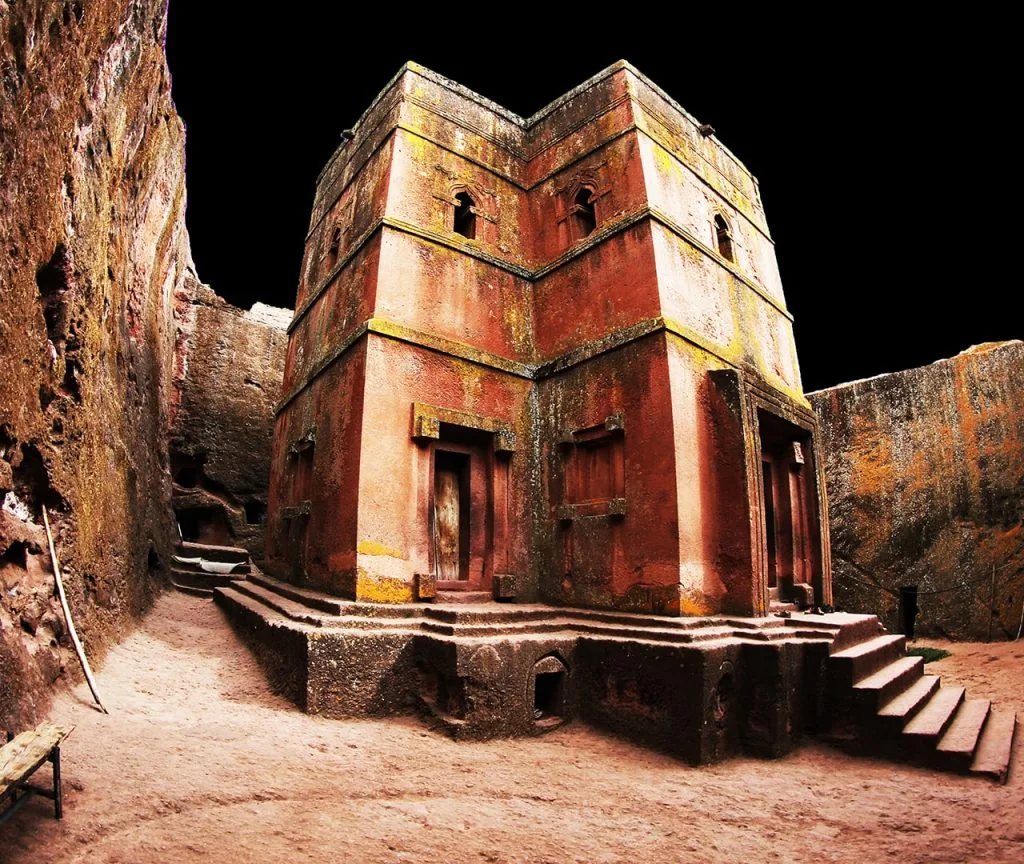
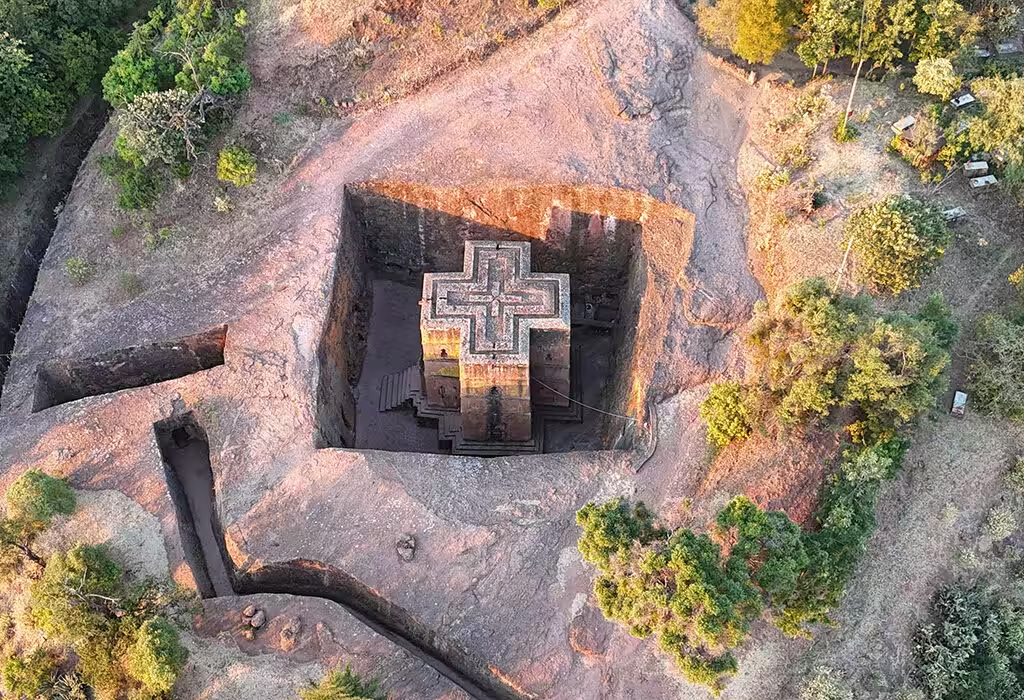
Commissioned by King Lalibela in the 12th and 13th centuries to create a "New Jerusalem," the churches were hewn entirely from single blocks of stone and connected by a labyrinth of tunnels, trenches and hidden passageways. The cross-shaped Bete Giyorgis (Church of St George) is the most famous, but each church has its own atmosphere, frescoes and sacred treasures.
A UNESCO World Heritage Site, Lalibela is best explored over one to two days with a knowledgeable guide who can unlock the history and living rituals behind the stone. Many travellers combine it with Gondar, Axum and the Simien Mountains on a northern historic circuit.
Visiting during a major festival — especially Genna (Ethiopian Christmas) on 7 January — is unforgettable, as tens of thousands of pilgrims gather for all-night ceremonies.
Top Lalibela Tours

Lalibela — Frequently Asked Questions
How were the Lalibela churches built?
They were carved top-down directly out of the bedrock in the 12th–13th centuries, then hollowed out to form interiors — a remarkable feat of medieval engineering, with tunnels and drainage channels linking the complex.
How long do I need in Lalibela?
A full day covers the main north-western and south-eastern church clusters plus Bete Giyorgis. Two days allows a more relaxed pace and time for nearby monasteries such as Asheton Maryam or Yemrehanna Kristos.
When is the best time to visit?
October to March offers pleasant, dry weather. For atmosphere, time your visit with Genna (Ethiopian Christmas, 7 January) or Timket (Epiphany), when the town fills with pilgrims.
Is there a dress code?
These are active places of worship. Modest clothing covering shoulders and knees is expected, and shoes are removed before entering each church.