
Bale Mountains
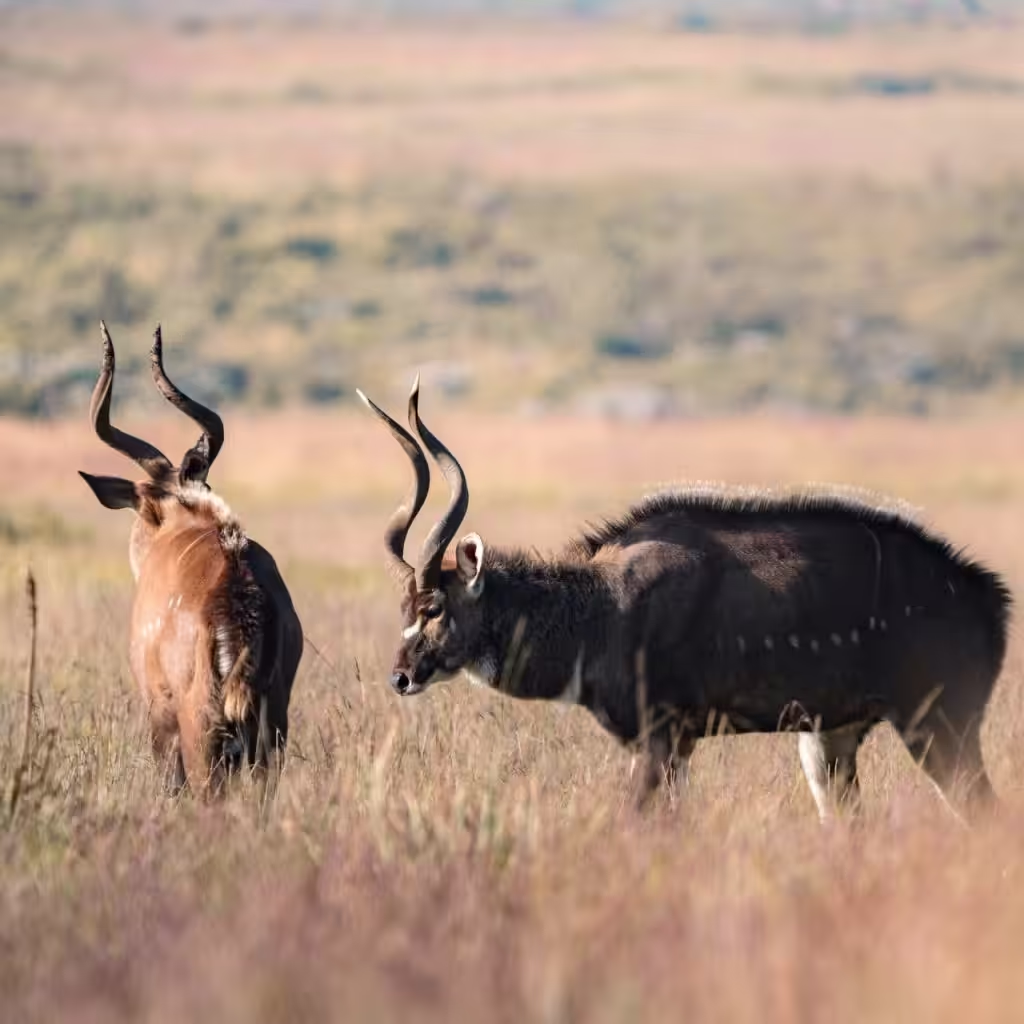
The Bale Mountains are Ethiopia's Afro-alpine wilderness — a high plateau of heather moorland, glacial lakes and cloud forest that shelters the world's rarest canid, the endangered Ethiopian wolf, along with the endemic mountain nyala and dozens of birds found nowhere else.
Afro-Alpine Wilderness & the Ethiopian Wolf
At the heart of the park lies the Sanetti Plateau, one of the largest expanses of Afro-alpine habitat in Africa and the best place on earth to see the Ethiopian wolf hunting giant mole-rats across the moorland. Descending the southern escarpment, the lush Harenna Forest is a completely different world of moss-draped trees, wild coffee and elusive wildlife.
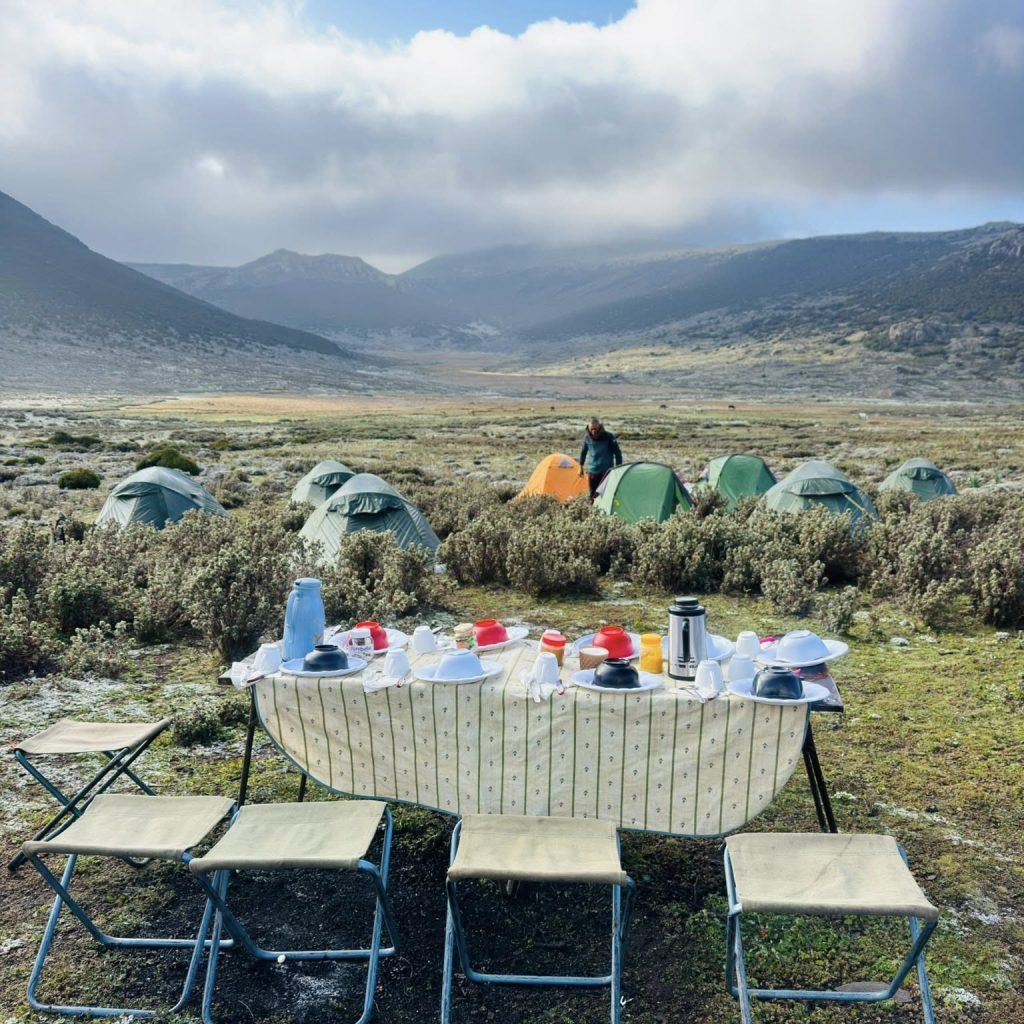
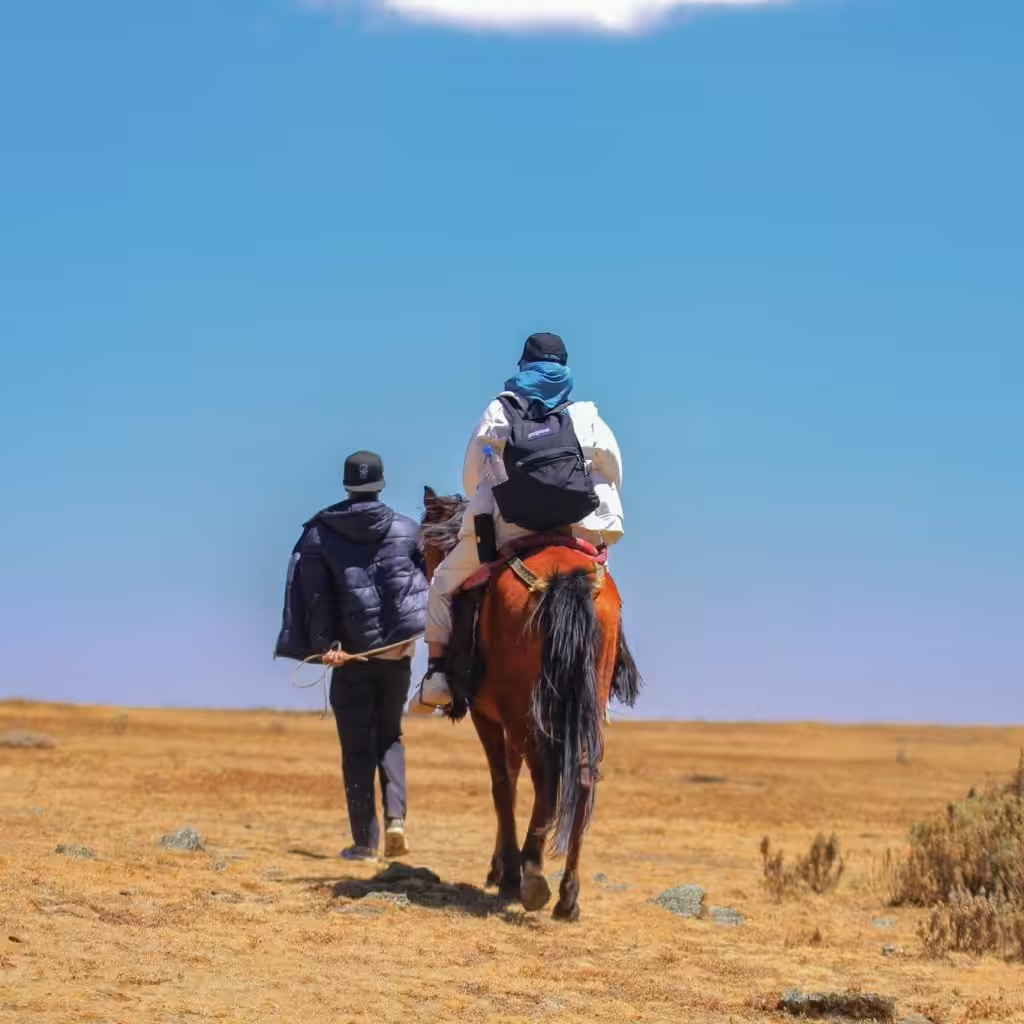
Bale rewards trekkers and wildlife lovers alike, with community-based treks around Dodola and Adaba, horseback routes, and comfortable lodge-based wildlife drives. Trips range from short three-day escapes to week-long trekking adventures.
The combination of high-altitude scenery, endemic species and genuine solitude makes Bale one of Ethiopia's most rewarding — and least crowded — natural destinations.
Top Bale Mountains Tours
Bale Mountains — Frequently Asked Questions
Will I see the Ethiopian wolf?
The Sanetti Plateau has the highest density of Ethiopian wolves anywhere, and sightings are common, though never guaranteed with wild animals. Early morning drives give the best chances.
How high are the Bale Mountains?
The Sanetti Plateau sits above 4,000 m and Tullu Dimtu, the second-highest peak in Ethiopia, reaches 4,377 m. We build in time to acclimatise and keep the pace comfortable.
When is the best time to visit?
The dry months of November to March offer the clearest weather and best wildlife viewing. The plateau can be cold and misty, so warm layers are essential year-round.
Is trekking difficult?
Options range from easy lodge-based drives and short walks to multi-day community treks. Altitude is the main challenge, but routes can be tailored to most fitness levels.