6-Days South Sudan Tour
Overview
6-Day South Sudan Tribes Tour | Mundari & Lotuko Expedition: Experience a private 6-Day South Sudan Tribes Tour to Mundari cattle camps along the White Nile and Lotuko mountain villages with permits and 4WD support.
A 6-day guided journey from Juba into South Sudan’s countryside for an authentic encounter with some of Africa’s most traditional tribal cultures.
Tour Highlights
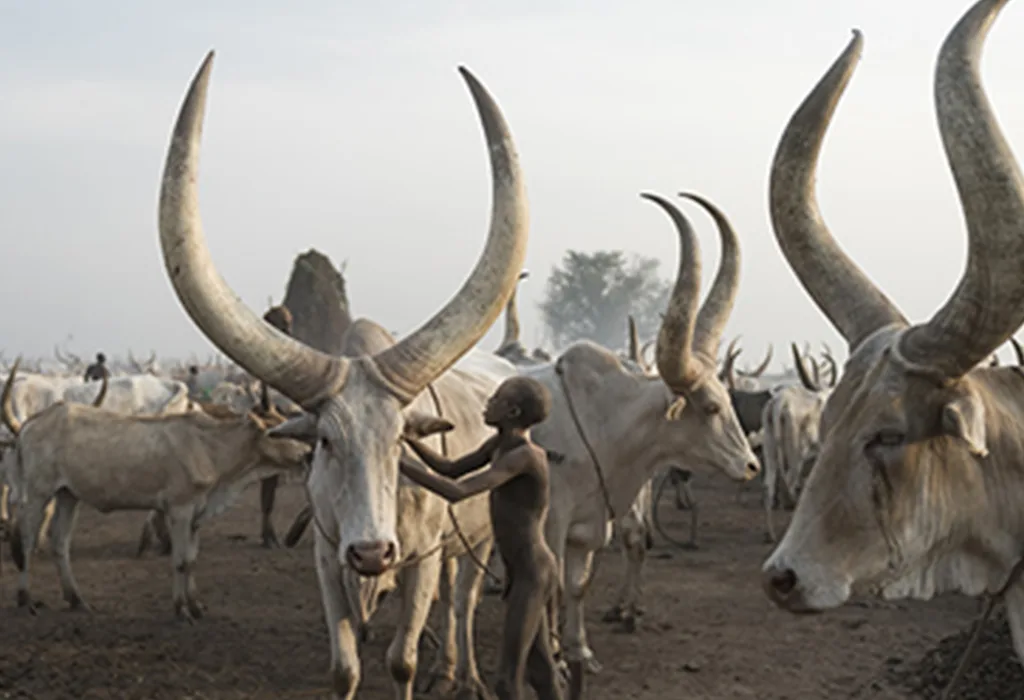
- Meet the Mundari, known for their dramatic cattle camps and ash-covered pastoralist lifestyle
- Witness age-old traditions, body scarification and ceremonial rituals
- Depending on timing, you may also meet other groups such as the Toposa or Dinka
- Accompanied by expert local guides and cultural facilitators who emphasize respectful engagement
Accommodation is basic but purposeful, from simple guesthouses to wild bush camping.
What To Expect
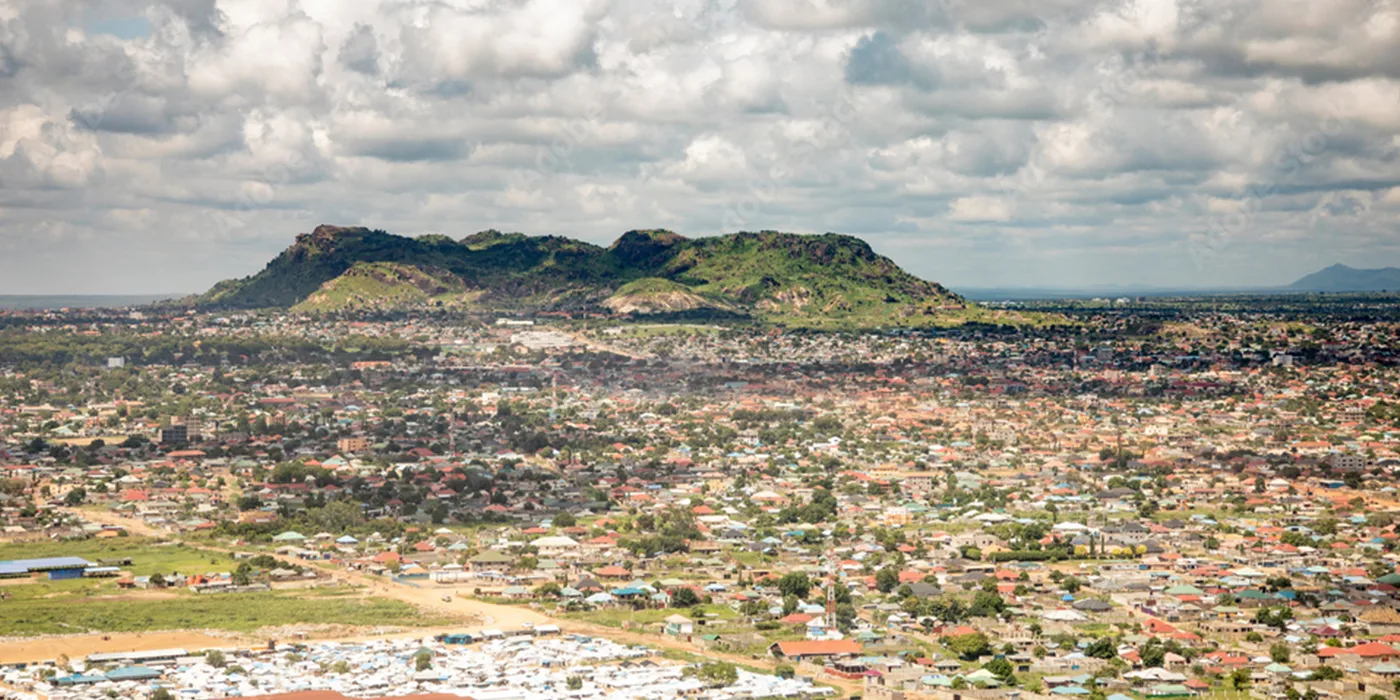
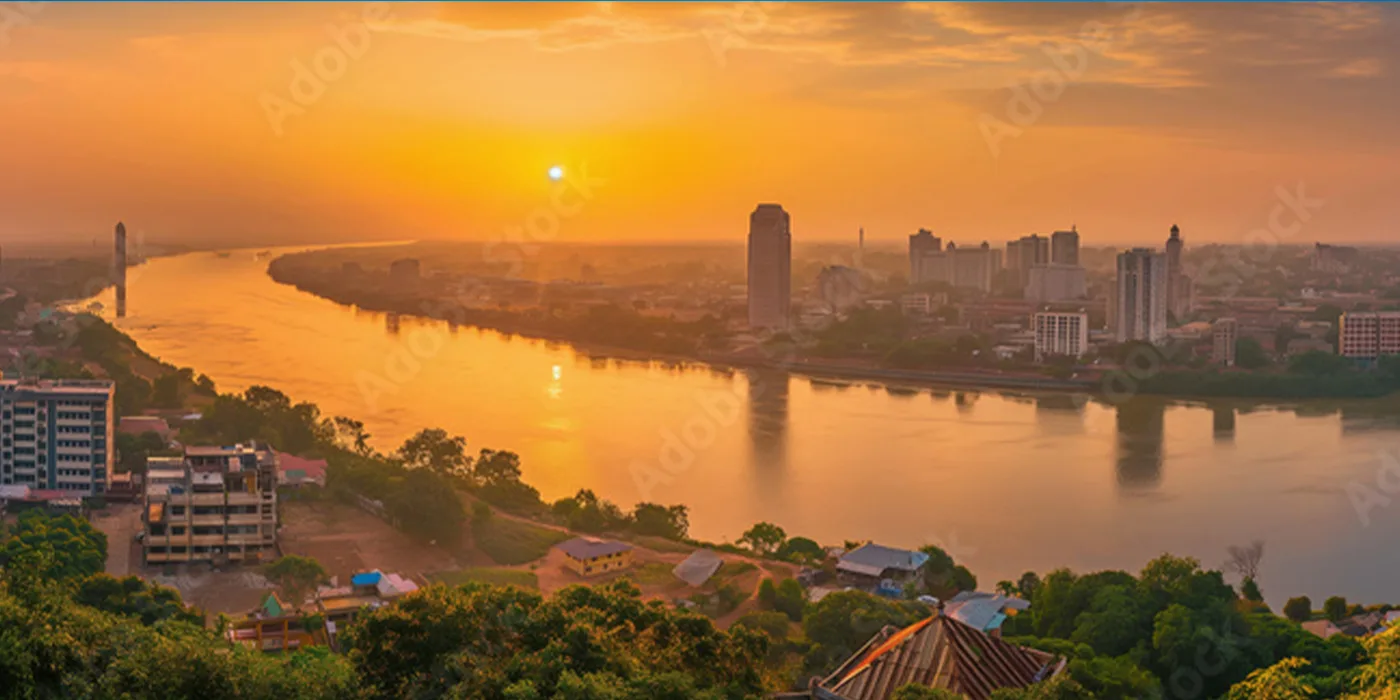
Day 1 begins with your arrival in Juba, the capital of South Sudan. After meeting your guide at Juba International Airport, you are transferred to your hotel to settle in. Once refreshed, you embark on a brief city tour to get acquainted with the atmosphere and rhythm of the city. You visit notable landmarks such as the John Garang Mausoleum, the Juba market, and the White Nile riverside, offering insight into the daily life of the locals. The evening is reserved for a welcome dinner where you are introduced to South Sudanese cuisine and culture, giving you a sense of the journey ahead.
On Day 2, you travel overland or by charter flight to Kapoeta in Eastern Equatoria, a region known for its strong tribal identity and raw, unspoiled landscapes. After settling into your guesthouse or tented accommodation, you begin your cultural immersion with an afternoon visit to a Toposa village. The Toposa people are known for their striking traditional dress, body scarification, and pastoral lifestyle centered around cattle. You are welcomed into the community, and your guide facilitates respectful interaction and explanations of local customs. You return to your camp for dinner and rest under the stars.
Day 3 is spent entirely with the Toposa people. You begin early in the morning and visit more remote villages, gaining deeper insight into their daily lives. You may witness milking, firewood collection, or beadwork done by the women, as well as cattle rituals or dances if your timing coincides with a ceremony. The day is immersive and participatory, allowing for genuine connection and storytelling. You return to camp in the evening, reflecting on the resilience and beauty of Toposa culture in this remote corner of the country.
Day 4 takes you westward toward the Boya Hills, home to the Larim people. The road winds through dry savannah, dotted with dramatic granite formations. Upon arrival in the Boya region, you explore hillside villages where the Larim live in round thatched huts surrounded by terraced farmland. The people here are known for their body painting, use of ochre, and symbolic scarification. You join them for cultural exchanges and possibly a local dance or music demonstration. Your overnight stay is in a simple camp near a Boya village, where you experience a quiet evening immersed in nature.
On Day 5, after a relaxed morning in the Boya area, you begin your return journey to Juba. The long drive provides time to take in the sweeping scenery and reflect on your experiences. Along the way, you may stop at roadside markets or small villages, and if time allows, you visit the town of Torit for a quick look at its colonial era architecture and Catholic mission station. You arrive in Juba by late afternoon or early evening and check into your hotel for a final dinner in the city.
Day 6 marks the end of your South Sudan journey. After breakfast, depending on your flight time, you might have one last opportunity to walk through the city or shop for local crafts. You are then transferred to Juba International Airport for your departure, taking with you lasting memories of South Sudan’s vibrant tribal cultures, dramatic landscapes, and warm hospitality.
What's included
- Accommodation
- Meals (Full board)
- Ground transport (4x4 vehicle) and/or charter flights
- Local guides
- Permits and cultural/community fees
What's not included
- International flights
- Visas
- Travel insurance
- Tips and personal expenses
Frequently Asked Questions
What is the best time to visit Ethiopia?
The best time to visit Ethiopia is during the dry season, which runs from October to April. During this time, the weather is pleasant, and transport/roads are in excellent condition.
Do I need a visa to travel to Ethiopia?
Yes, most nationalities require a visa to enter Ethiopia. You can conveniently apply online for an eVisa prior to your arrival, or obtain a visa on arrival at Addis Ababa Bole International Airport.
What is included in the tour price?
Our tours generally cover all ground transportation, professional guiding services, accommodation, and entrance fees. Please refer to the specific tour's Inclusions/Exclusions section for complete details.
Route Map

Proudly Community-Owned
The communities visitable in this area are warm and friendly. If you would like to support them directly, small donations are highly appreciated:
- Pens and school supplies
- Books
- Used clothes
- Children's items
- Any useful materials you feel may benefit the local community