6 Days Tour Omo River Tribes

Overview
6-Day Omo River Tribes Tour | South Omo Cultural Odyssey: Discover ancient traditions on a 6-day Omo River Tribes Tour. Visit the Mursi, Hamar, Karo, Dassanech, and Konso peoples in Ethiopia's South Omo Valley.
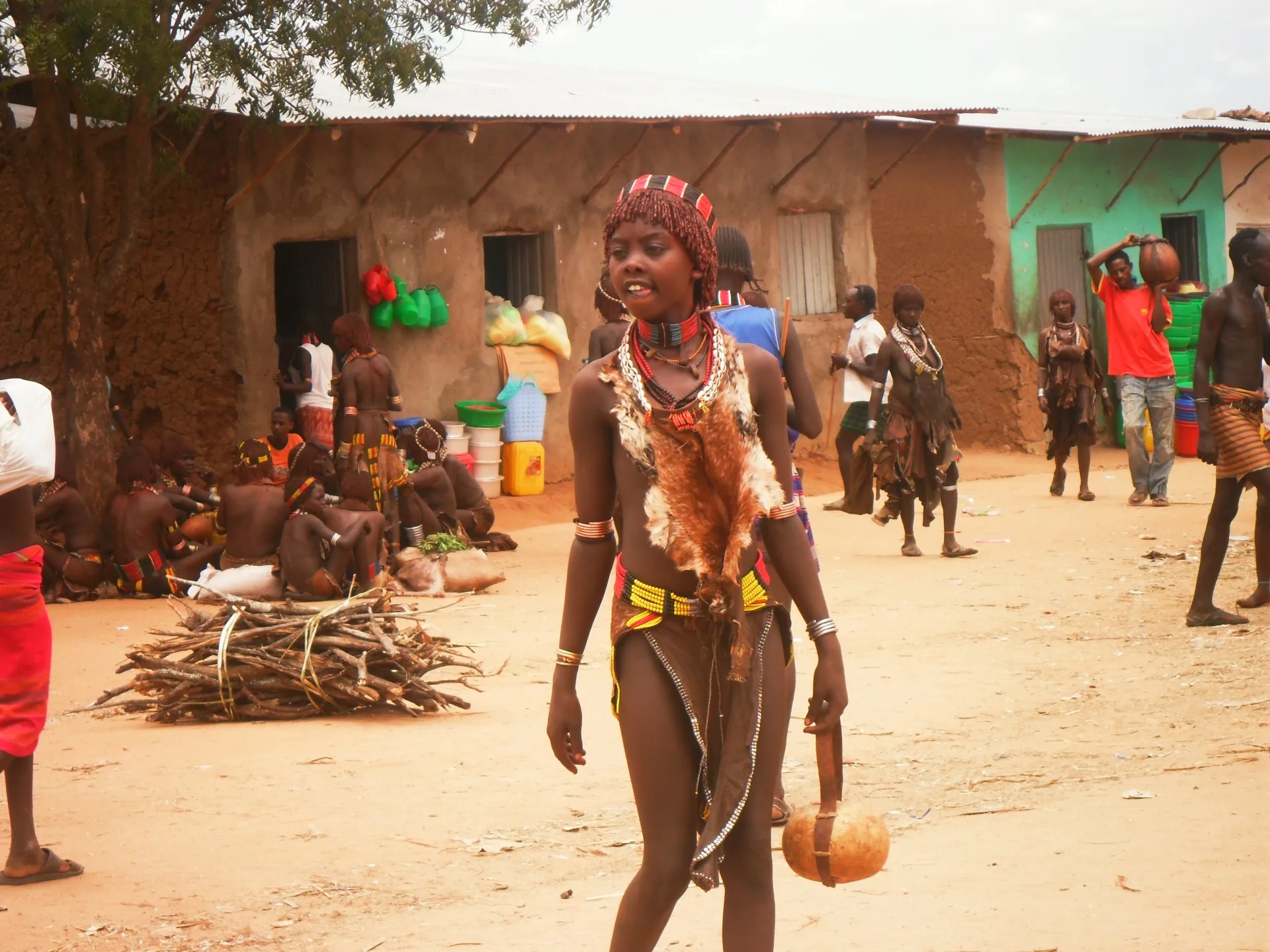
This 6-day expedition offers a rare window into one of the most culturally diverse regions on the planet. Focused on the legendary omo river tribes, this journey takes you deep into the heart of the South Omo Valley, where ancient customs remain untouched by the rapid pace of the modern world. You will engage with the Mursi, Hamer, and Karo peoples, gaining an authentic understanding of their social structures, ornate body decorations, and deep spiritual connection to the land. From the high-energy atmosphere of tribal markets to the quiet dignity of village life along the riverbanks, this tour is an immersive celebration of human heritage.
What To Expect
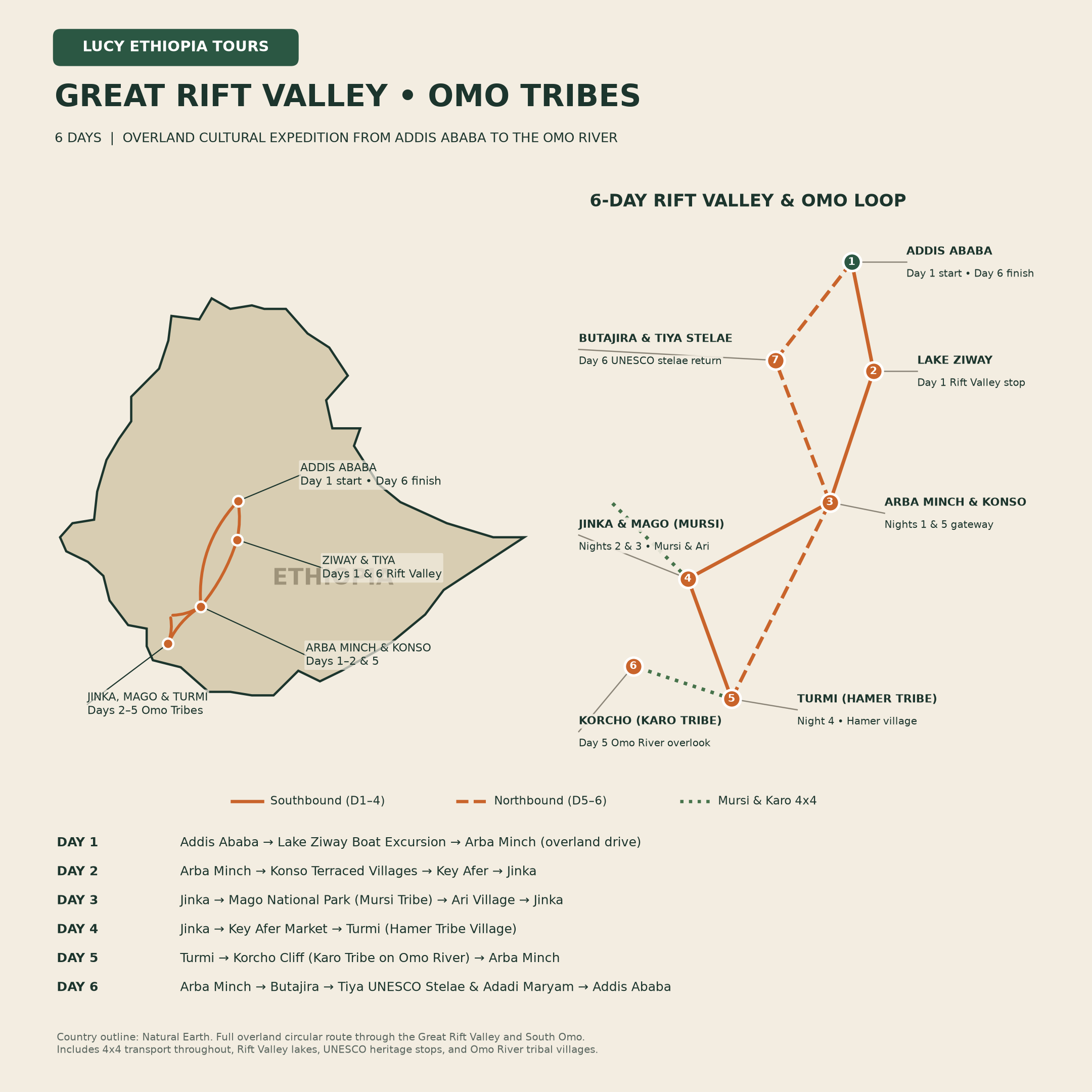
Your adventure begins with a morning drive from Addis Ababa to Arbaminc( 8hrs). On the way you will stop and visit Lake Ziway which is part of Great Rift Valley and taking boat trips to spot Wild Hippos, hundreds of bird species and enjoying freshly caught fish at local lakeside.
Overnight: Haile Resort Arbaminch
After breakfast, you will set out on a drive towards Jinka, the administrative town of the Omo Valley tribes. Along the way, you will stop at the UNESCO-listed Konso village, known for its ancient terracing and hard-working farming communities. The Konso people have cultivated the challenging terrain for over 500 years, creating a remarkable agricultural landscape.
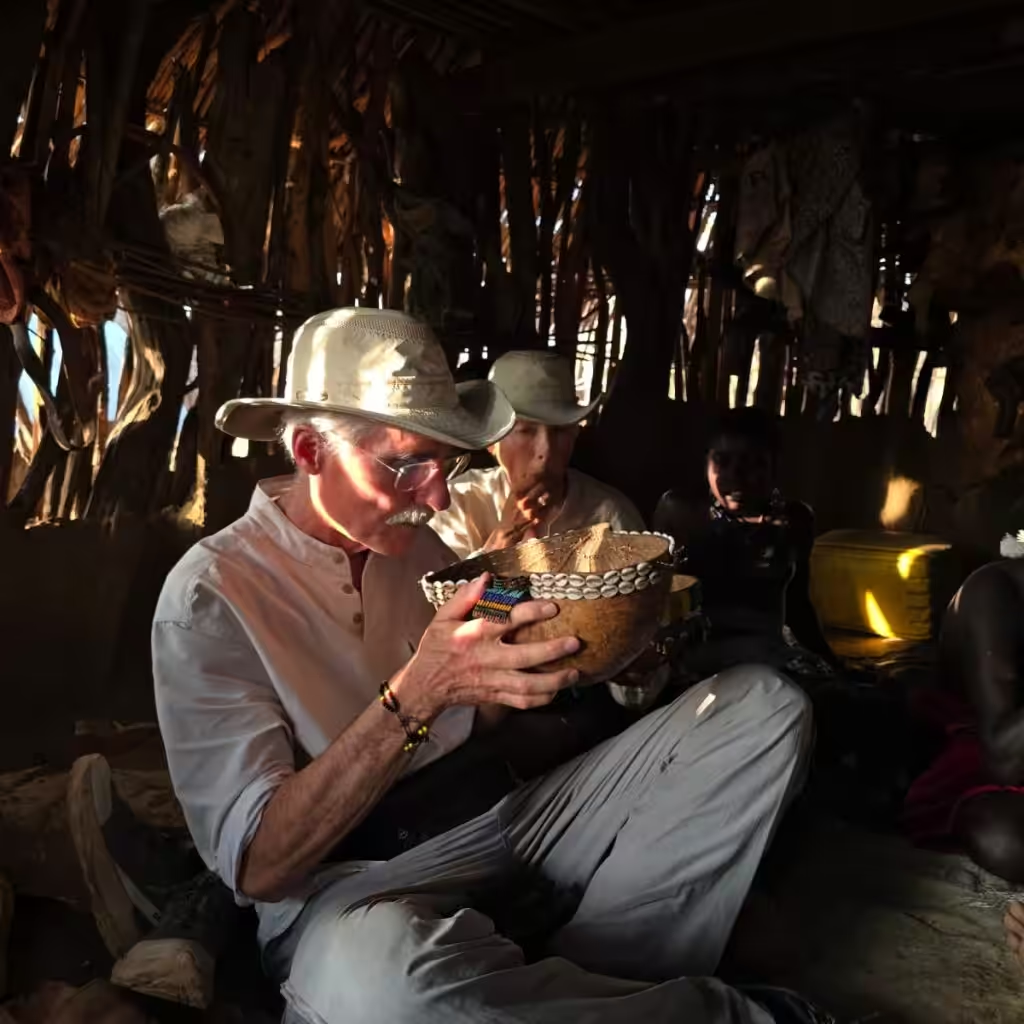
In the afternoon, you will reach Jinka, where you will visit the Ari people. The Ari tribe is known for their pottery, beekeeping, and local beer-making traditions. You will have the opportunity to observe their daily lives, interact with the community, and gain insight into their unique cultural practices.
Overnight: Jinka Resort or Eco Omo Lodge
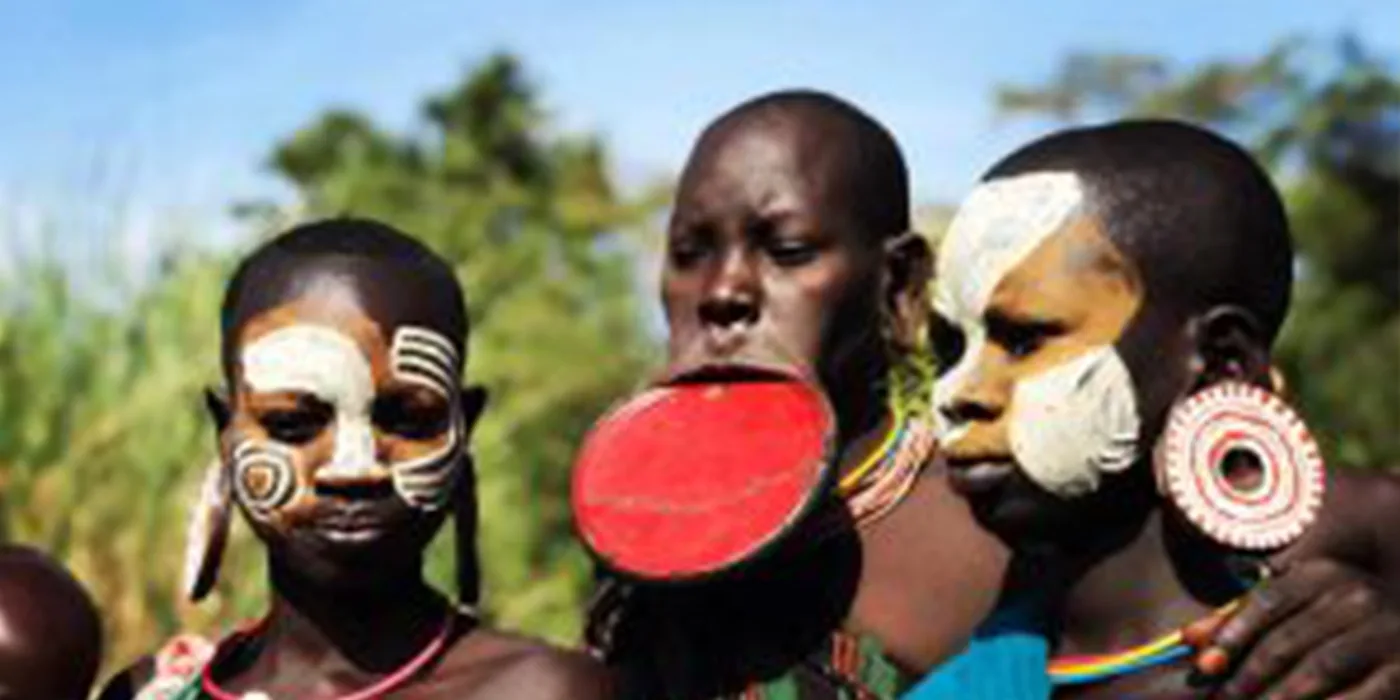
In the morning, you will embark on a two-hour drive through Mago National Park to reach the Mursi tribe, one of the most famous ethnic groups in the Omo Valley. The Mursi women are known for their distinctive clay lip plates, a sign of beauty and cultural identity. You will spend the day immersing yourself in their traditions, observing their lifestyle, and engaging with the community. This extended visit allows for an authentic and uninterrupted experience.
Overnight: Jinka Resort or Eco Omo Lodge
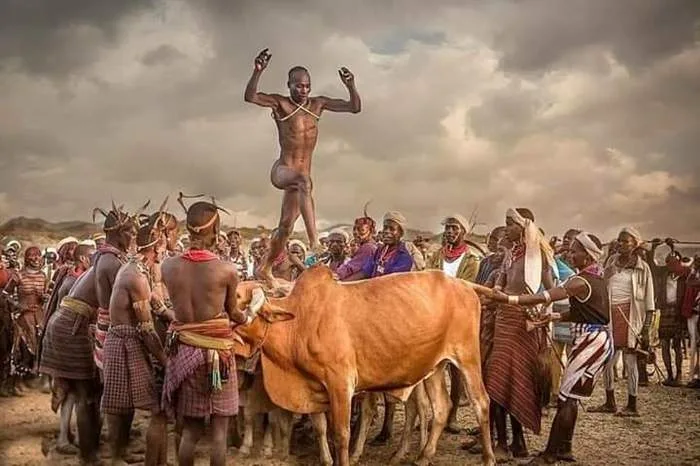
After breakfast, you will journey towards Turmi, a three-hour drive through the Omo Valley. Along the way, you will visit the Banna ( well known as stilts boys walking) and Hamar tribes, each with their own unique customs. The Banna people are known for their elaborate hairstyles, while the Hamar tribe is famous for their body adornments and the renowned bull-jumping ceremony, a rite of passage for young men.
If your visit coincides with a tribal market day, you will have the opportunity to witness one of these vibrant gatherings, where different tribes come together to trade goods and socialize.
Overnight: Buska Lodge
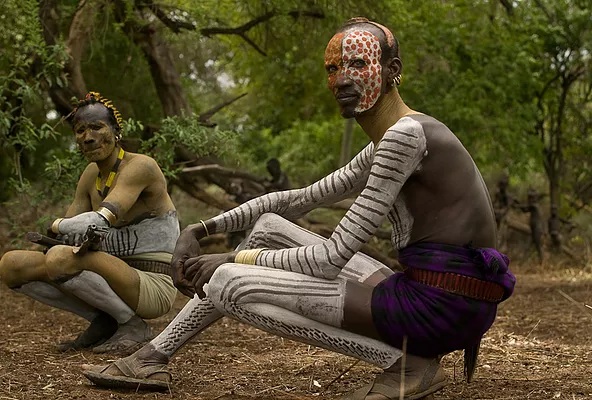
In the morning, you will drive to visit the Karo tribe. Located near the Omo river a semi-nomadic people who are well known for body paintings . Their remote villages offer a rare glimpse into one of Ethiopia’s well-visited cultures.
After spending time with the Karo, you will drive to Arbaminch and in late afternoon driven towards the highlands of Chencha to visit the Dorze tribe. Known for their distinctive beehive-shaped huts and expert weaving skills, the Dorze people are masters of cotton weaving, a tradition passed down for generations. You will spend the afternoon exploring their village, observing their daily activities, and learning about their unique way of life.
Overnight: Haile Resort Arbaminch
On the final day of your journey, you will drive back to Addis Ababa via Butajira. Along the way, you will visit three remarkable historical sites:
- Tiya:An ancient field of mysterious stone stelae and a UNESCO World Heritage Site.
- Adadi Maryam:A rock-hewn church dating back to the 12th century, similar in style to those in Lalibela.
- Melka Kunture:An important prehistoric site where stone tools and fossils have been discovered.
Upon arrival in Addis Ababa, you will enjoy a farewell dinner at a traditional cultural restaurant, where you can experience Ethiopian dance and music performances before being transferred to the airport for your departure.
What's included
- Car 4WD with fuel and drive
- Domestic flights
- Accommodation in a clean room with a private shower
- English-speaking tour guide and local guide fee
- Village, market and park entrance fee
- Ceremonial payment
- Scout fee
- Community payment
What's not included
- Meals and drinks ( which are very cheap in Ethiopia)
- Photography payment, shopping, and Tip
- International flights
Frequently Asked Questions
What is the best time to visit Ethiopia?
The best time to visit Ethiopia is during the dry season, which runs from October to April. During this time, the weather is pleasant, and transport/roads are in excellent condition.
Do I need a visa to travel to Ethiopia?
Yes, most nationalities require a visa to enter Ethiopia. You can conveniently apply online for an eVisa prior to your arrival, or obtain a visa on arrival at Addis Ababa Bole International Airport.
What is included in the tour price?
Our tours generally cover all ground transportation, professional guiding services, accommodation, and entrance fees. Please refer to the specific tour's Inclusions/Exclusions section for complete details.
Route Map
Proudly Community-Owned
The communities visitable in this area are warm and friendly. If you would like to support them directly, small donations are highly appreciated:
- Pens and school supplies
- Books
- Used clothes
- Children's items
- Any useful materials you feel may benefit the local community