6-Day Bale Mountains Trekking Adventure
Overview
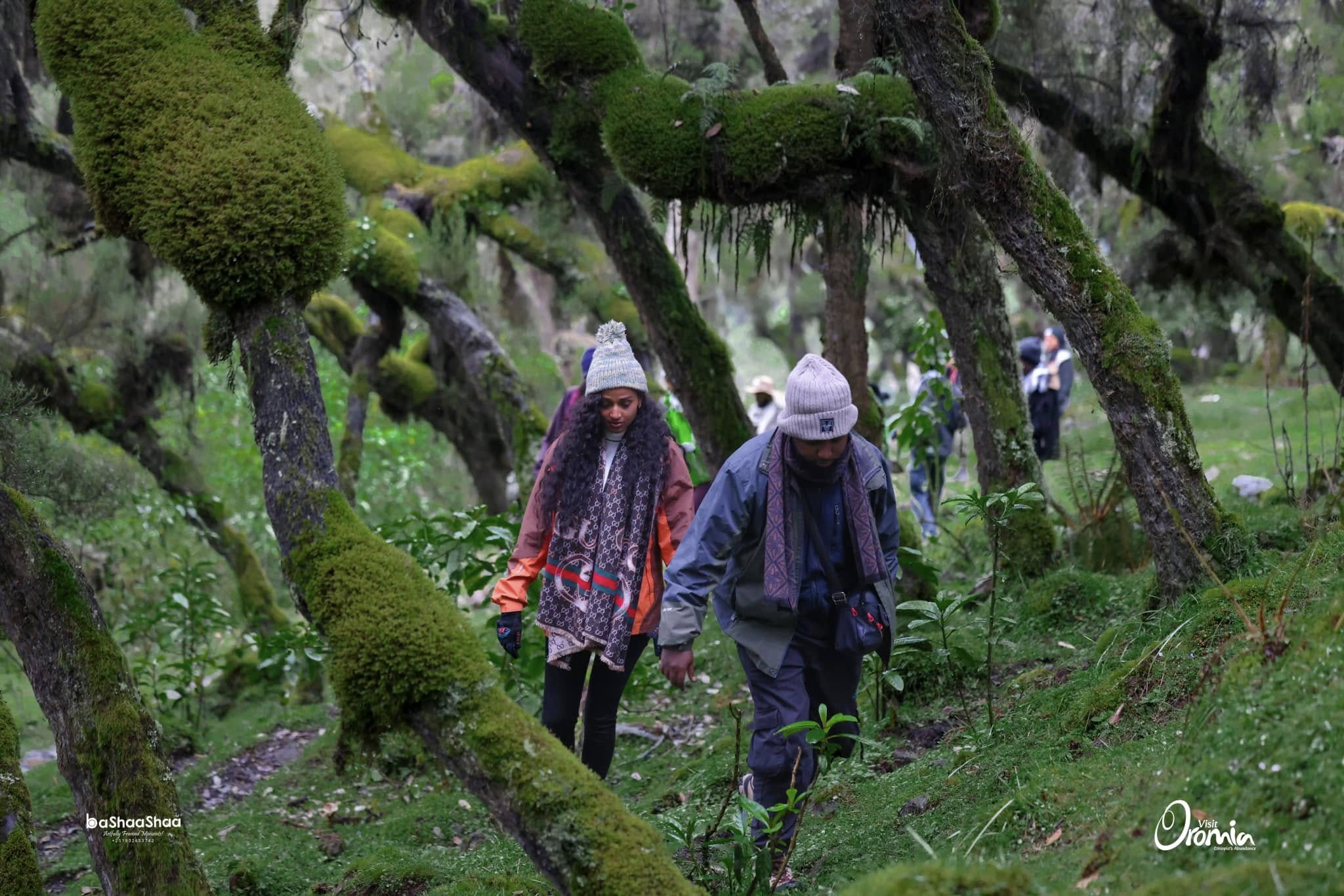
Embark on an unforgettable trekking and photography journey through one of Africa’s most biodiverse high-altitude ecosystems. This 6-Day Bale Mountains Trekking Adventure is a professionally guided expedition designed to immerse you in spectacular volcanic landscapes, deep gorges, and the iconic Afro-alpine plateaus. As you traverse the “Roof of Africa,” this Bale Mountains Trekking Adventure offers peerless opportunities to spot rare endemic mammals including the Ethiopian Wolf, Mountain Nyala, and the Bale Monkey. From summiting Tulu Dimtu to exploring the ancient lava rock pillars of Rafu, experience a seamless, all-inclusive mountain safari led by Ethiopia’s premier trekking specialists.
What To Expect
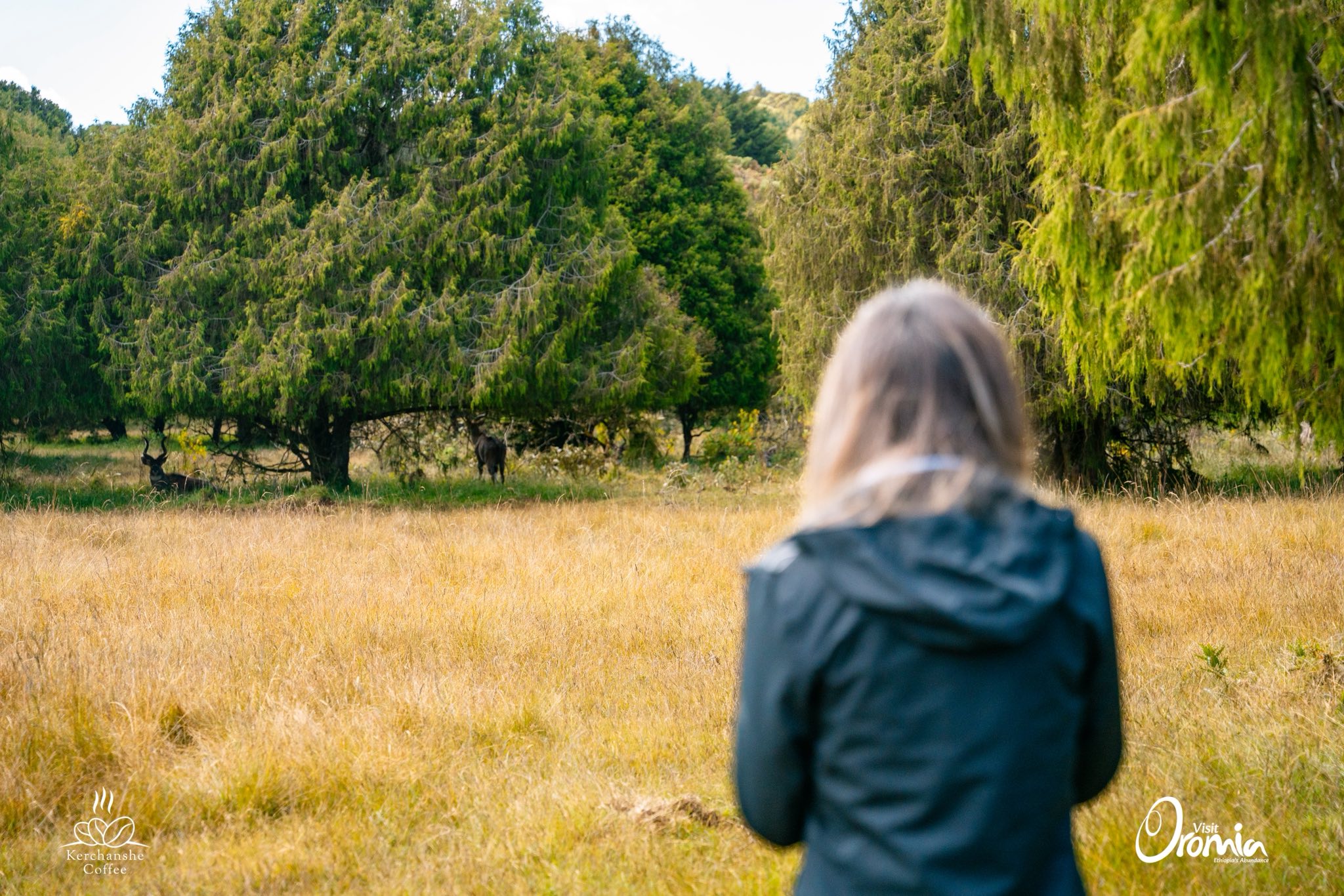
Your expedition begins with your arrival at the Dinsho Park Headquarters (via Robe Airport or overland). After a briefing and meeting your expert trekking team, we embark on a 2-hour acclimatization hike through the juniper woodlands. This area is the prime habitat for the endemic Mountain Nyala and Menelik’s Bushbuck. Birdwatchers can expect to see the Blue-winged Goose and the Abyssinian Longclaw. Overnight: Dinsho Campsite (3,000m).
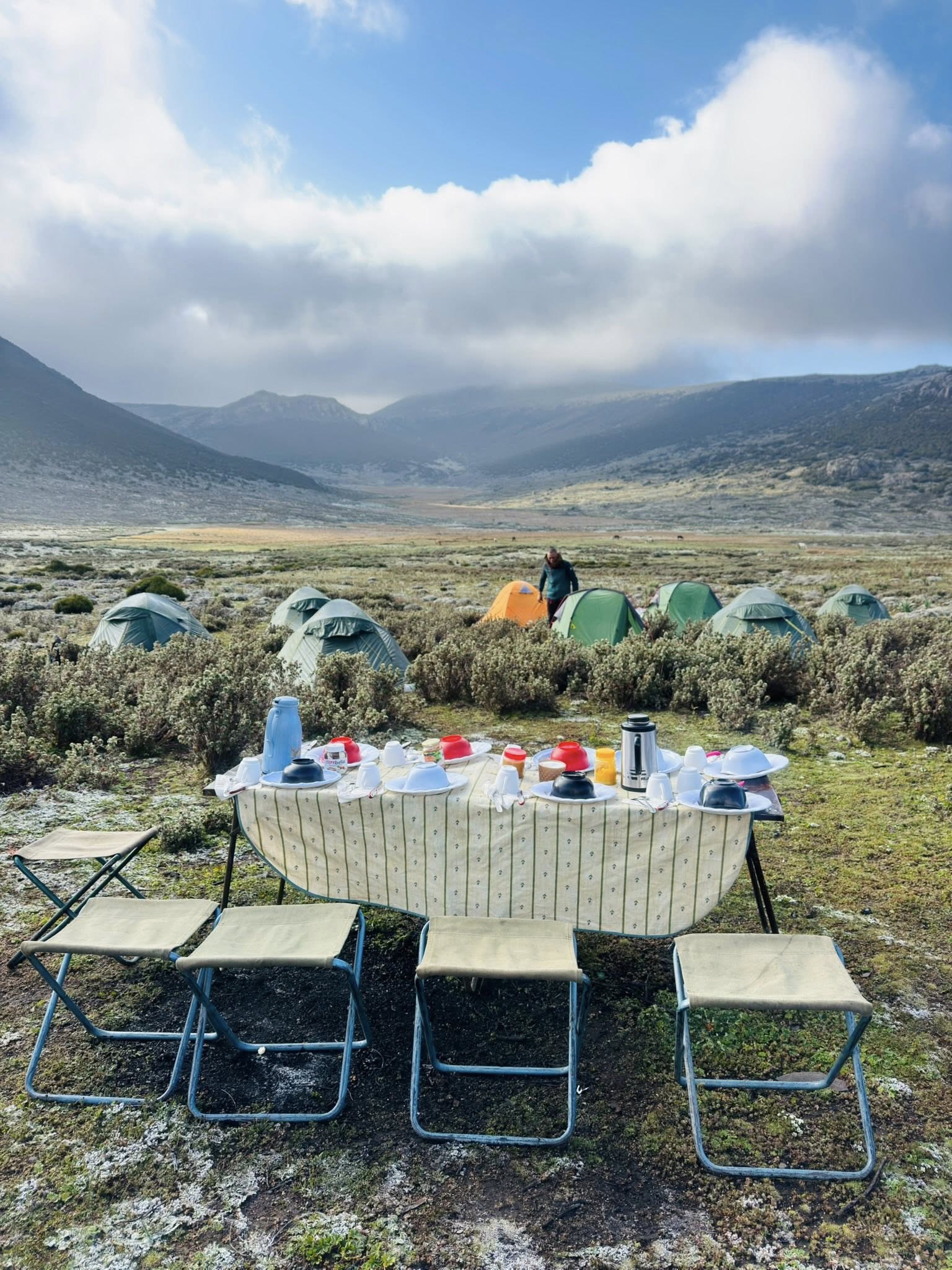
Today we begin our trek through the woodland zone, hiking 18km (5–6 hours) through a mix of dense forests and open grasslands. The transition in vegetation offers a tranquil beauty unique to the lower highlands. Keep a keen eye out for endemic birds and smaller mountain mammals as we settle into our first wilderness camp. Overnight: Adelay Campsite (3,400m).
We venture deeper into the national park ecosystem on a 20km trek (6–7 hours). Our route takes us past the scenic Habera Waterfall, a perfect spot for a wilderness break. As we enter the Sodota region, the landscape opens up, increasing our chances of spotting the Ethiopian Wolf, Rock Hyrax, and the Giant Mole-rat. High-altitude raptors frequently patrol the skies above this route. Overnight: Sodota Campsite (3,500m).
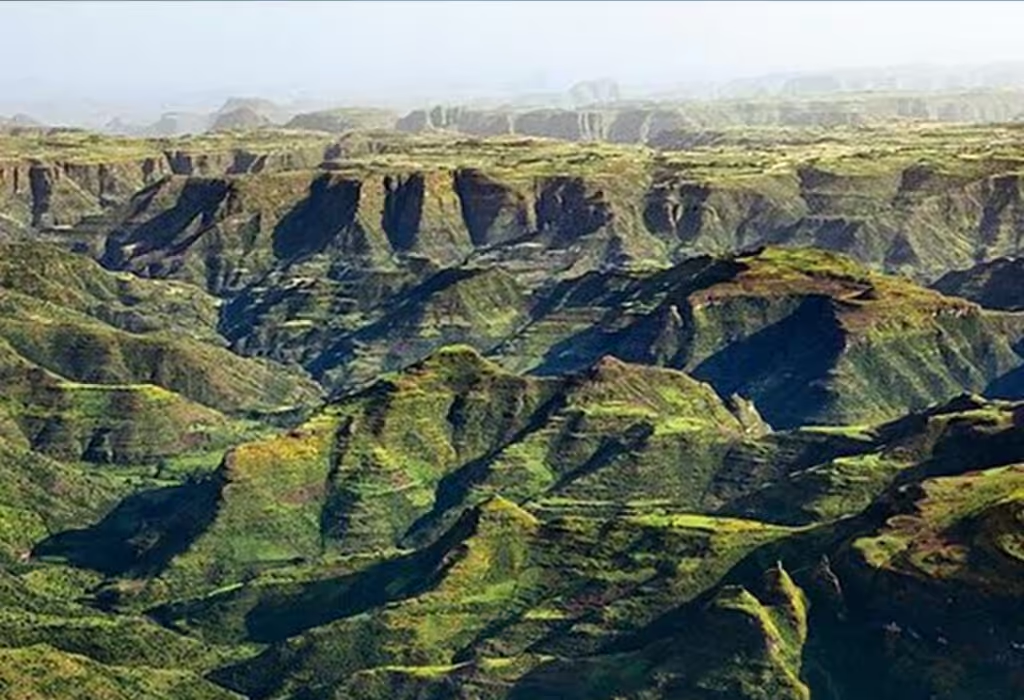
This 18km trek (5–6 hours) takes us through the dramatic Mararo Valley. The scenery becomes more rugged as we gain altitude, with basaltic cliffs and deep valleys dominating the horizon. This area is famous for large raptors, including the rare Lammergeyer (Bone-breaker) and Verreaux’s Eagle. We continue to monitor the ridges for wolf activity. Overnight: Wasema Campsite (3,900m).
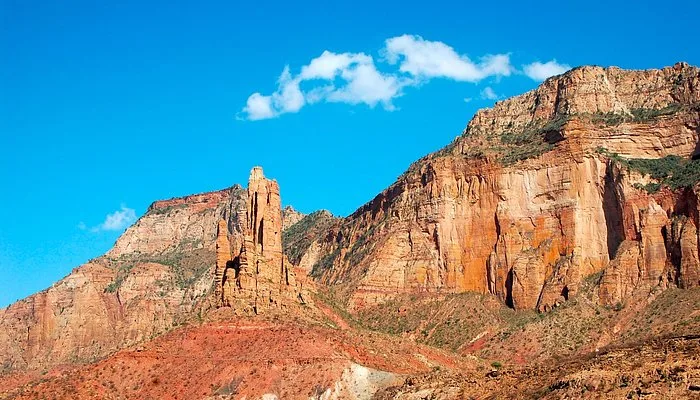
Prepare for one of the most visually stunning days of the Bale Mountains Trekking Adventure. We hike 18km across open moorlands toward Rafu. The highlight is the panoramic view of the Rafu rock pillars—extraordinary geological formations created by ancient lava flows. The stark, volcanic landscape offers a surreal backdrop for sunset photography. Overnight: Rafu Campsite (4,000m).
On our final day, we hike toward the Sanetti Plateau, summiting Tulu Dimtu (4,377m), Ethiopia’s second-highest peak. This Afro-alpine plateau is the best place on earth to witness the Ethiopian Wolf in the wild. After spotting Stark’s Hare and various endemic birds, we meet our support vehicle and drive to Goba/Robe for your return flight to Addis Ababa.
What's included
- Professional English-speaking local guide
- Private 4WD or tourist vehicle with driver, including fuel
- Accommodation as per the itinerary
- Meals as per the itinerary
- All entrance fees to the sites listed in the itinerary
- Airport and hotel transfers
- Bottled drinking water during the tour
- Government taxes and service charges
What's not included
- International flights, and domestic flights unless stated in the itinerary
- Ethiopian visa (an e-visa can be obtained online)
- Travel and medical insurance
- Tips for the guide and driver
- Alcoholic and soft drinks
- Personal expenses and laundry
- Camera and video fees at sites, unless stated in the itinerary
- Any services not mentioned under What's Included
Frequently Asked Questions
What is the best time to visit Ethiopia?
The best time to visit Ethiopia is during the dry season, which runs from October to April. During this time, the weather is pleasant, and transport/roads are in excellent condition.
Do I need a visa to travel to Ethiopia?
Yes, most nationalities require a visa to enter Ethiopia. You can conveniently apply online for an eVisa prior to your arrival, or obtain a visa on arrival at Addis Ababa Bole International Airport.
What is included in the tour price?
Our tours generally cover all ground transportation, professional guiding services, accommodation, and entrance fees. Please refer to the specific tour's Inclusions/Exclusions section for complete details.
Route Map

Proudly Community-Owned
The communities visitable in this area are warm and friendly. If you would like to support them directly, small donations are highly appreciated:
- Pens and school supplies
- Books
- Used clothes
- Children's items
- Any useful materials you feel may benefit the local community