6 Days Birding in North and South Ethiopia
Overview
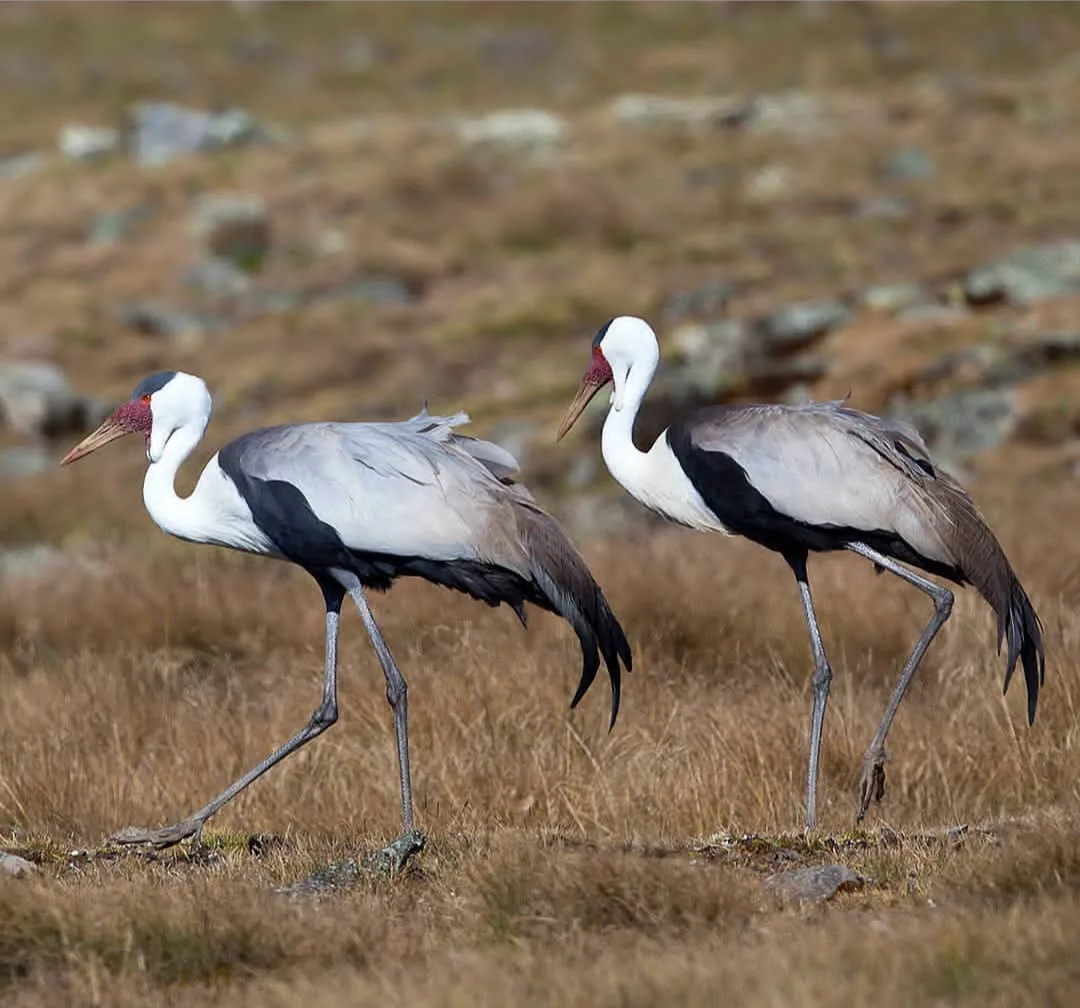
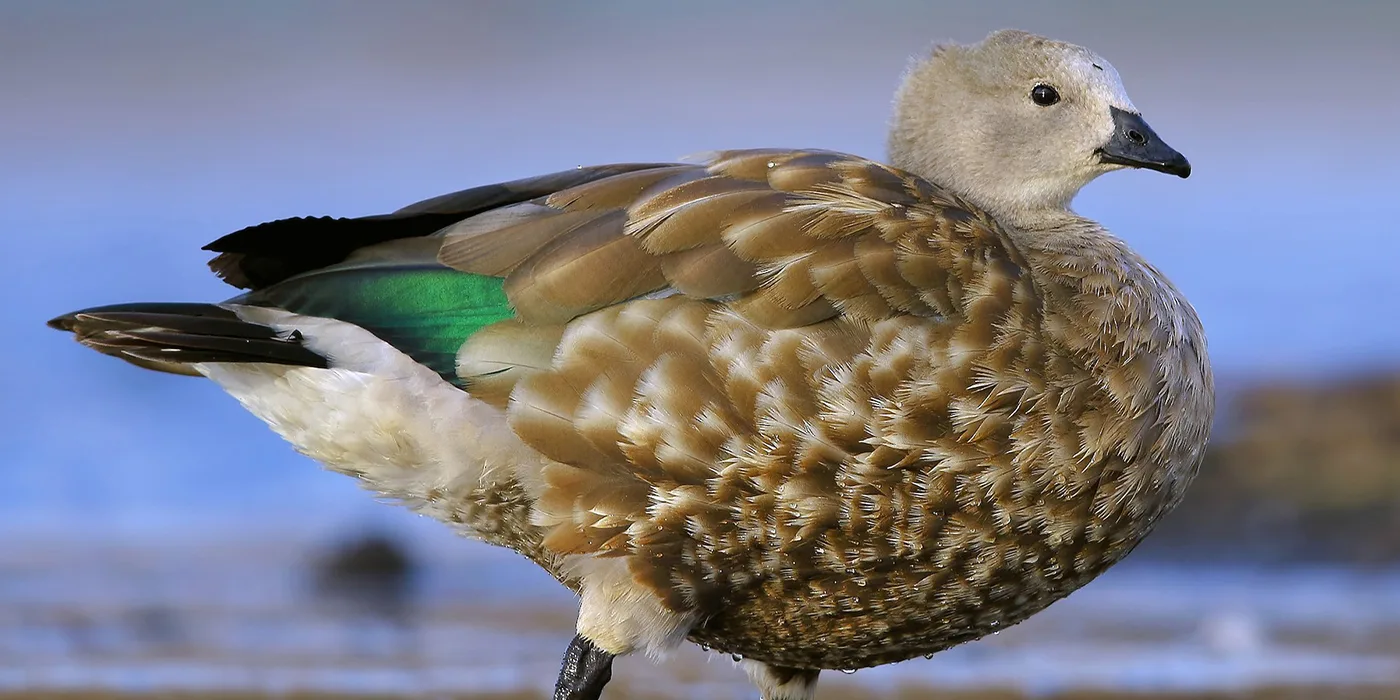
An immersive 8-day birding journey through some of Ethiopia’s most ecologically diverse landscapes, combining birdwatching, nature exploration and cultural experiences. Ethiopia has over 860 recorded bird species, including more than 20 endemics.
Tour Highlights
- Addis Ababa: cultural landmarks and introductory birding
- Awash National Park: dry-country bird species and dramatic escarpments
- Rift Valley lakes: Lake Langano and the twin lakes of Abijatta and Shalla, renowned for flamingos, pelicans and waterfowl
- Bale Mountains National Park: a UNESCO Biosphere Reserve with high-altitude endemics, the Ethiopian wolf and the Harenna Forest
- Hawassa: waterbirds and forest-edge species before returning to Addis
Expert local guides accompany birders of all levels throughout.
What To Expect
Arrive in Addis Ababa. In Addis, you will visit highlights of the city including the National Museum, which houses rich artifacts dating back to the Axumite period and the landmark remains of “Lucy,” a 3.2-million-year-old hominid fossil. Also visit the Trinity Cathedral, and Entoto Museum and Old Palace, which offers a great panoramic view of the city and opportunities for meaningful birding.
Overnight: Addis Ababa
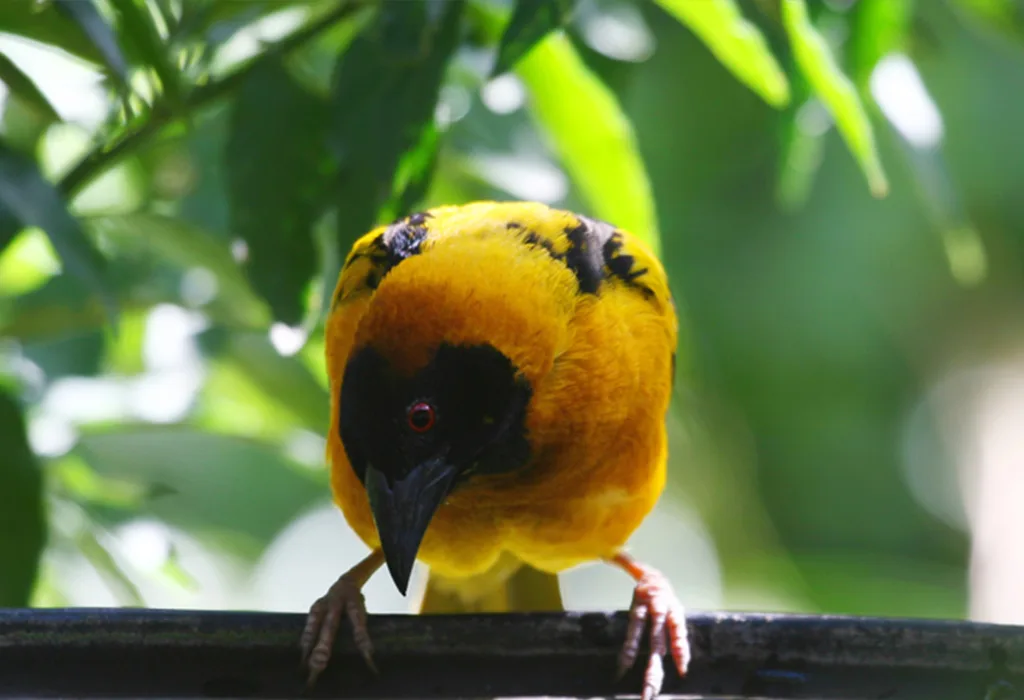
Morning drive 225 km east of the capital to Awash National Park. En route, stop at Lake Beseka for waterbirds. Due to poaching and human-wildlife conflict, game drives in this park are less of an interest. However, Awash hasn’t lost its wealth of attractions and breathtaking scenery. A beautiful waterfall by the same name and abundant birdlife are the park’s main highlights. On arrival, take a short hike to the falls to watch and photograph Nile crocodiles up close around Awash Falls. Here, we look for dry country species such as Abyssinian roller, sandgrouse, larks, hornbills, and waxbills. The localized Arabian bustard, Kori bustard, and carmine bee-eaters are also common around the gorge.
Overnight: Awash
Spend an additional day exploring the park, which is home to over 450 recorded bird species. Also enjoy stunning views of the gorge below from a viewpoint, along with a beautiful sunset.
Overnight: Awash
Drive to Langano, descending into the beautiful Great Rift Valley region known for its dramatic landscapes. En route, stop at Adama and Lake Koka for water and forest birds. Upon arrival in Langano, visit Abijatta-Shalla National Park, another premier birding site in Ethiopia. The ostrich farm near the park headquarters has a small museum. Mammals such as baboon, warthog, and gazelle can be seen. The twin lakes of Abijatta and Shalla boast a rich birdlife. Aquatic bird species such as lesser and greater flamingos, pelicans, cranes, waders, cormorants, and many more are found here, while abundant acacia-related bird species can be easily spotted.
Drive to Bale Mountains National Park, one of the most important biodiversity hotspots in the country and a UNESCO World Heritage Site. This superb destination is known for its rich flora and fauna with a high number of endemics, and breathtaking landscapes.
So far, a checklist of 75 mammals and 310 bird species has been recorded, while plant species exceed 1,300, of which 160 are endemic to Ethiopia and 23 are unique to the park.
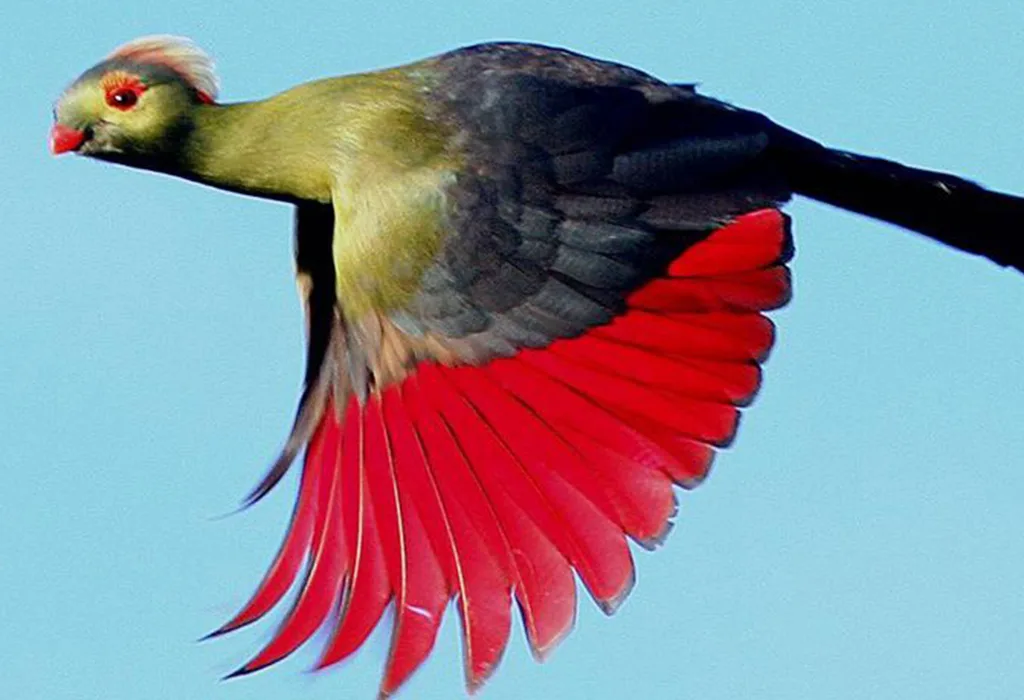
On arrival at Dinsho, the park headquarters, take a one-hour easy hike through juniper–hagenia forest to spot animals such as Mountain Nyala, Bohor reedbuck, and Menelik’s bushbuck, and to see woodland bird species like Cape eagle-owl, White-cheeked turaco, White-collared pigeon, Yellow-fronted parrot, Black-winged lovebird, and others.
Continue to Goba.
Overnight: Goba
Leave your hotel with a picnic lunch and drive to the chilly moorland Sanetti Plateau, where you'll spot a wide range of high-altitude species including the endemic Rouget’s rail, Moorland francolin, Chestnut-naped francolin, Alpine chat, Cinnamon bracken warbler, Black-headed siskin, and Tachaza sunbird. You might also have the chance to spot the rare, elusive canid: the Ethiopian wolf.
Climb Mount Tullu Dimtu, the second-highest peak in the country at 4,377 meters above sea level. Enjoy your picnic lunch at a scenic spot, then drive south through the Sanetti Plateau to the Harenna Forest. This area hosts rich wildlife including lions, leopards, the endemic Bale monkey, and giant forest hogs. Birds you may spot here include Abyssinian catbird, African hill babbler, Abyssinian woodpecker, Silvery-cheeked hornbill, White-cheeked turaco, African emerald cuckoo, and many more.
Late afternoon, drive back to Goba in time for dinner.
Overnight: Goba
After a hearty breakfast, a five-hour drive from lush Bale will take you to Hawassa, another interesting destination. The main draw of Hawassa is undoubtedly Lake Hawassa, which supports a wide range of water and forest birds including Fish eagle, colorful African pygmy goose, Grey kestrel, Banded barbet, Abyssinian oriole, Blue-winged coucal, Silvery-cheeked hornbill, Marabou stork, and endemics such as Yellow-fronted parrot and Black-winged lovebird.
Overnight: Hawassa
Visit the Hawassa fish market, then drive to Addis, stopping en route at Abijatta-Shalla National Park, known as one of the best birding destinations in the country. These scenic lakes are home to over 300 bird species such as ostrich, pelicans, lesser and greater flamingos, migratory waders, storks, cormorants, hornbills, starlings, and sparrow weavers. The park also hosts mammals including warthogs, hyenas, baboons, and gazelles.
Continue to Ziway for lunch and quick spotting of aquatic and wetland species. Then drive back to Addis. If time permits, stop again at Lake Koka.
Overnight: Not included
What's included
- Professional English-speaking local guide
- Private 4WD or tourist vehicle with driver, including fuel
- Accommodation as per the itinerary
- Meals as per the itinerary
- All entrance fees to the sites listed in the itinerary
- Airport and hotel transfers
- Bottled drinking water during the tour
- Government taxes and service charges
What's not included
- International flights, and domestic flights unless stated in the itinerary
- Ethiopian visa (an e-visa can be obtained online)
- Travel and medical insurance
- Tips for the guide and driver
- Alcoholic and soft drinks
- Personal expenses and laundry
- Camera and video fees at sites, unless stated in the itinerary
- Any services not mentioned under What's Included
Frequently Asked Questions
What is the best time to visit Ethiopia?
The best time to visit Ethiopia is during the dry season, which runs from October to April. During this time, the weather is pleasant, and transport/roads are in excellent condition.
Do I need a visa to travel to Ethiopia?
Yes, most nationalities require a visa to enter Ethiopia. You can conveniently apply online for an eVisa prior to your arrival, or obtain a visa on arrival at Addis Ababa Bole International Airport.
What is included in the tour price?
Our tours generally cover all ground transportation, professional guiding services, accommodation, and entrance fees. Please refer to the specific tour's Inclusions/Exclusions section for complete details.
Route Map

Proudly Community-Owned
The communities visitable in this area are warm and friendly. If you would like to support them directly, small donations are highly appreciated:
- Pens and school supplies
- Books
- Used clothes
- Children's items
- Any useful materials you feel may benefit the local community