3 Days Harar, Diredwa and Bable Camel Market tour
Overview
This 3-day cultural and historical tour takes you to the eastern heart of Ethiopia, exploring the walled Islamic city of Harar, the bustling railway town of Dire Dawa, and the unique Babile Camel Market — one of the largest in East Africa. It’s a short but immersive trip perfect for travelers interested in Ethiopia’s multicultural heritage, markets, and traditional life.
Tour Highlights
Harar Jugol (UNESCO World Heritage Site)
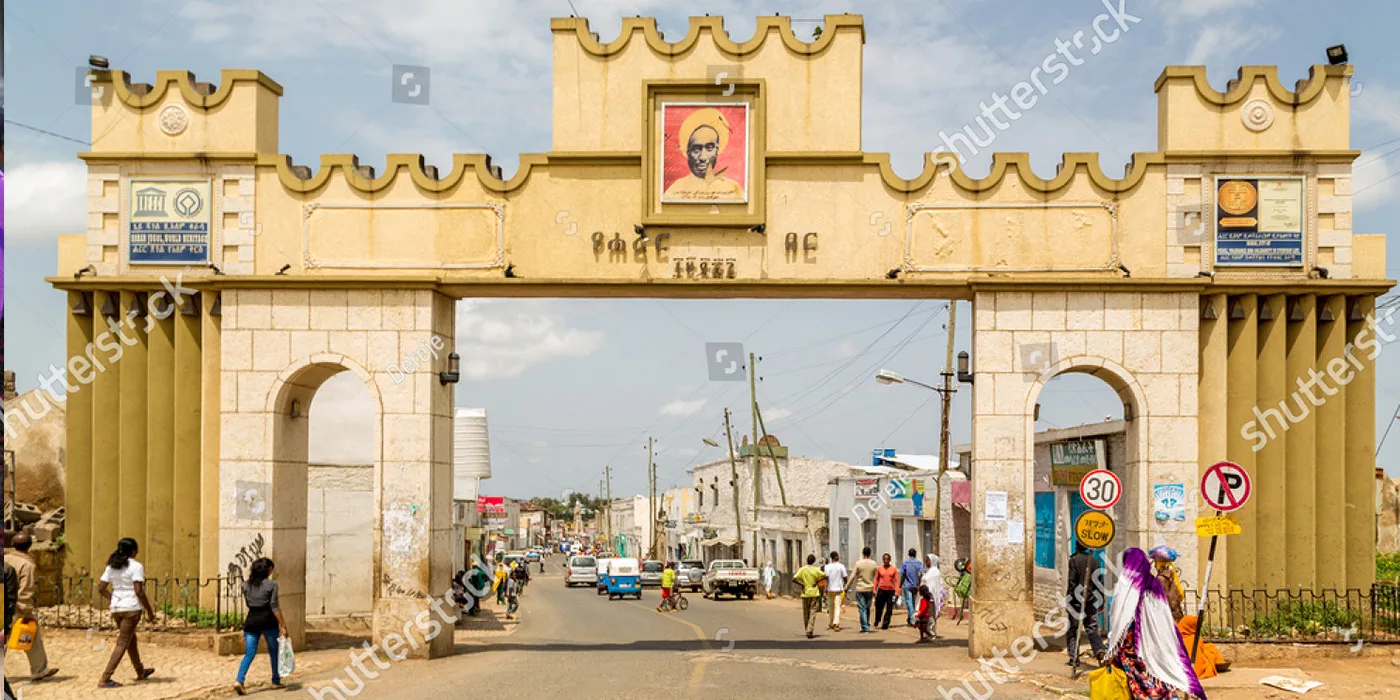
- Explore the old walled city of Harar, the fourth holiest city in Islam
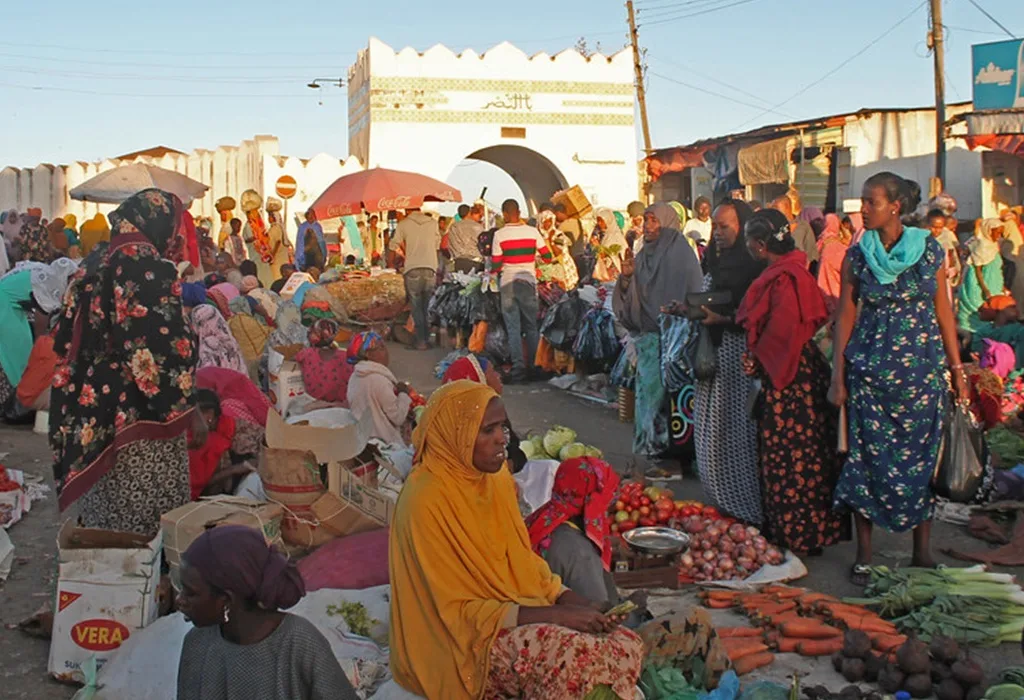
- Wander through narrow alleyways, visit 88 mosques, and vibrant local markets
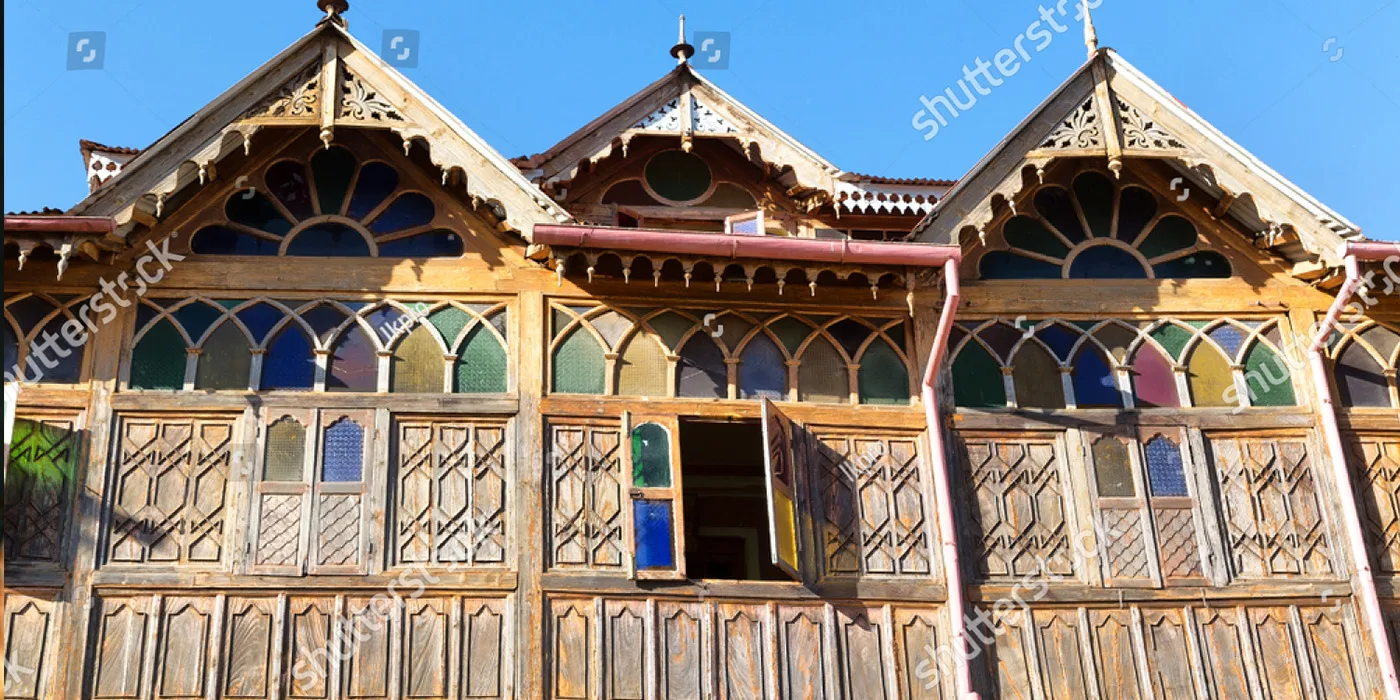
- Visit the Rimbaud House Museum and traditional Harari homes
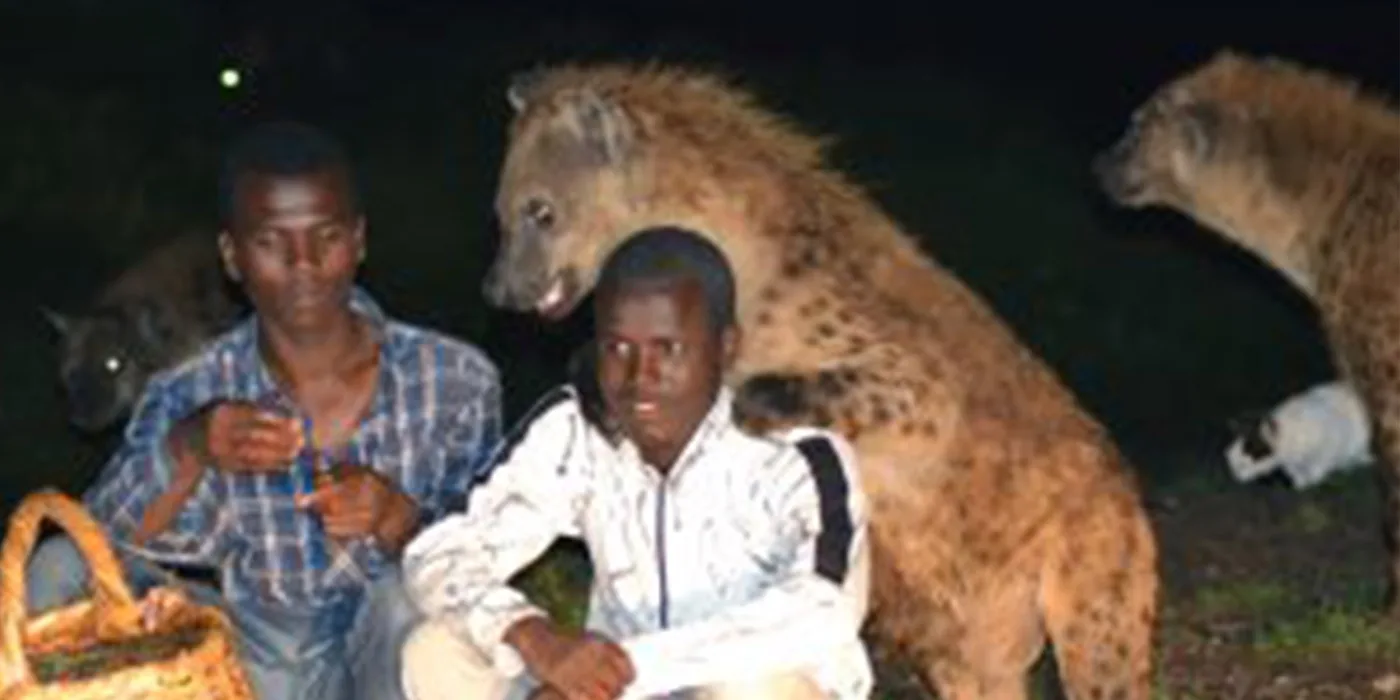
- Experience the hyena feeding ritual just outside the city walls in the evening
Dire Dawa
- Discover one of Ethiopia’s most diverse and laid-back cities
- Visit the French-built railway station, local spice markets, and colonial-era architecture
- Enjoy the blend of Somali, Oromo, and Afar cultures
Babile Camel Market
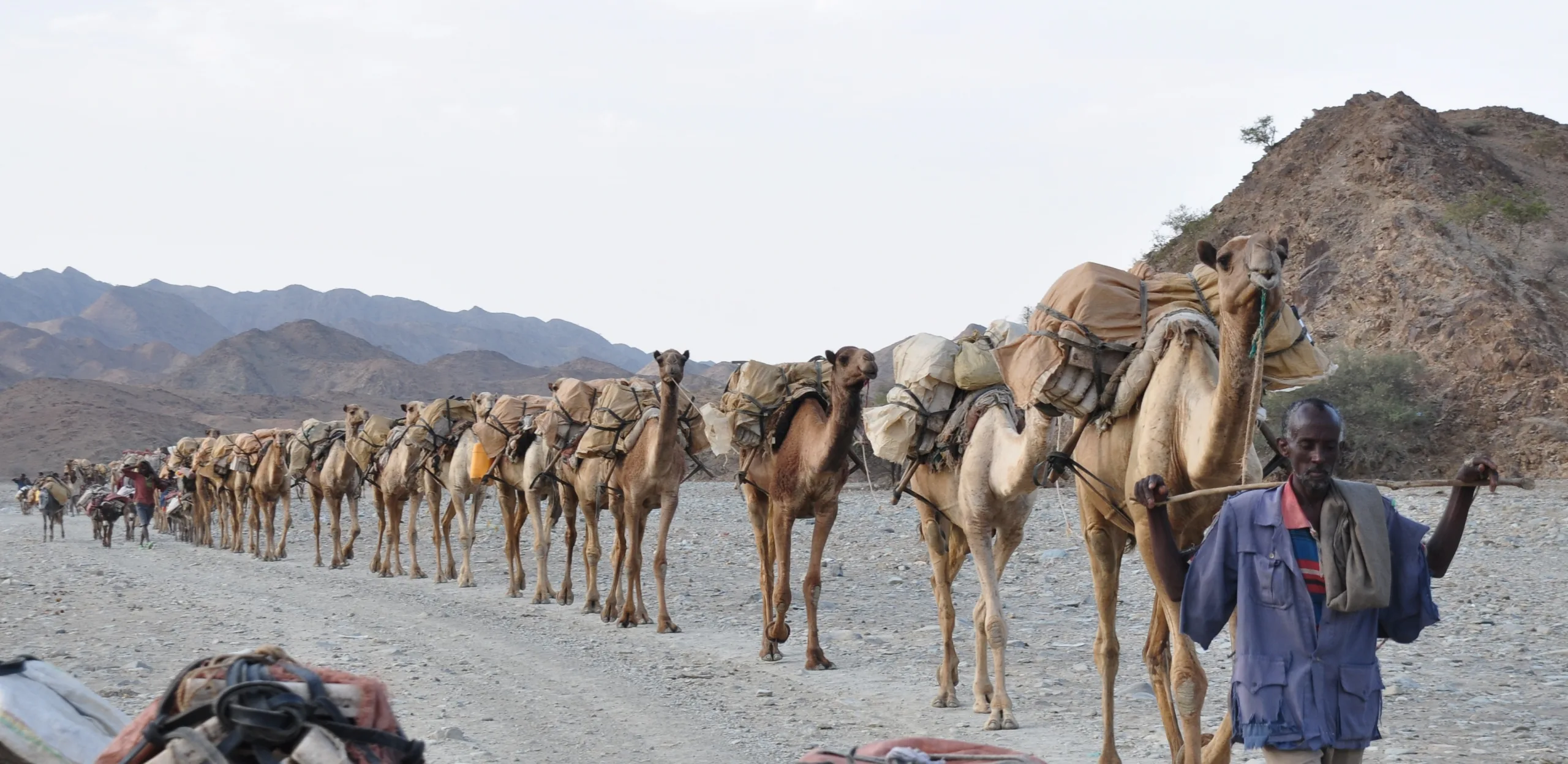
- Witness one of East Africa’s largest camel markets, held twice a week
- Observe the buying and selling of camels, cattle, and goats in a traditional open-air setting
- Great photo opportunity and cultural insight into Ethiopia’s pastoralist communities
Typical Route
- Day 1: Fly or drive from Addis Ababa Dire Dawa Transfer to Harar, explore the old city
- Day 2: Morning visit to Babile Camel Market, continue exploring Harar (museums, markets)
- Day 3: Return to Dire Dawa, city tour, fly or drive back to Addis Ababa
Experience Summary
- A short, culturally rich tour focused on Ethiopia’s Islamic heritage and pastoralist traditions
- Great for history lovers, photographers, and market enthusiasts
- Combines urban charm, traditional rituals, and local interactions in eastern Ethiopia
What To Expect
Begin your journey with a flight from Addis Ababa to Dire Dawa via Ethiopian Airlines. Upon arrival, take a scenic drive to Harar, the fourth holiest city in Islam. Stroll through the ancient walled city, known as the “City of Saints”, and admire its colorful houses and historic alleyways. Visit the Arthur Rimbaud House, a museum dedicated to the French poet who lived in Harar during the 19th century. End the day by exploring the lively streets and local culture.
Overnight: Hotel in Harar
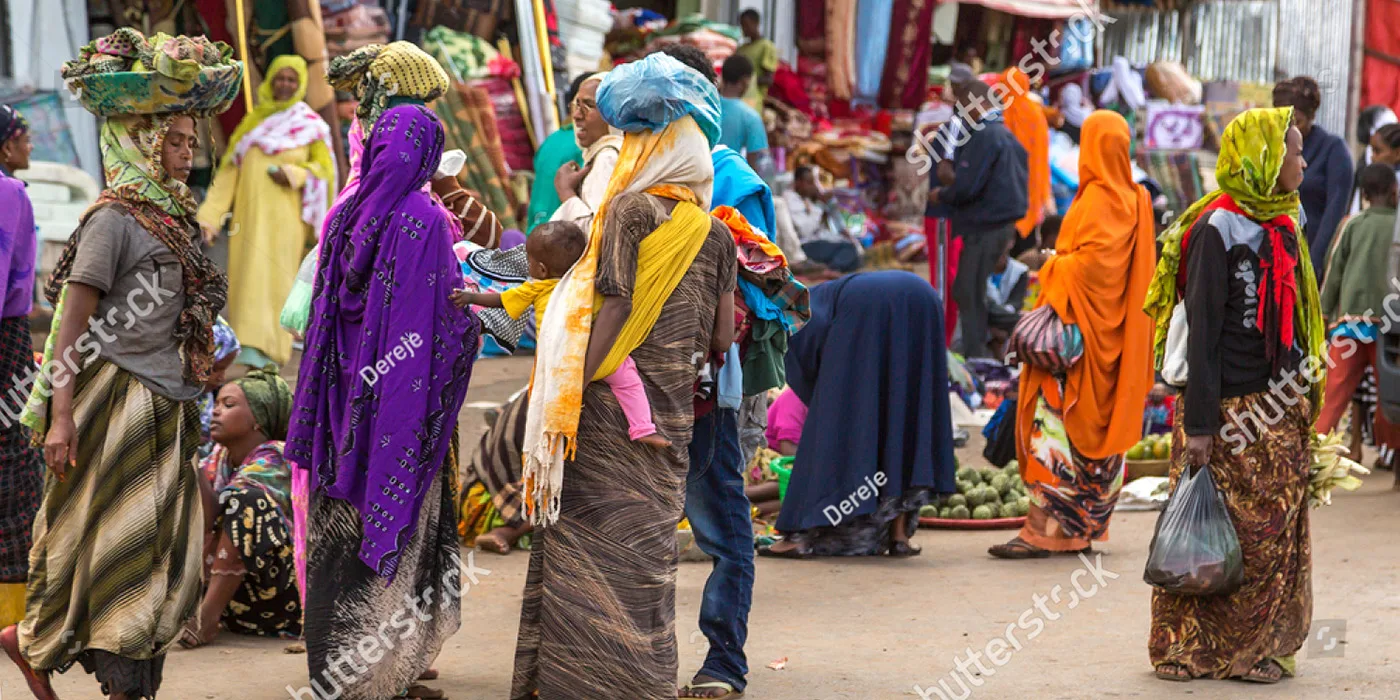
Start the day at the bustling Harar market, where traders sell everything from spices and textiles to traditional handicrafts. Visit the National Museum and the Harari Museum, which showcase the region’s rich history and culture. Explore Ras Mekonnen’s house, the residence of Haile Selassie’s father. In the evening, witness one of Harar’s most famous traditions – the Hyena Man feeding wild hyenas outside the city walls, an extraordinary experience that has been practiced for generations. Overnight: Hotel in Harar
After breakfast, drive back to Dire Dawa, with an optional stop at Aweday, Ethiopia’s largest “chat” (khat) market, where locals trade the popular stimulant leaves. Catch a flight back to Addis Ababa and transfer to the airport for a late-night departure if needed.
What's included
field_65bf4b1c50c73
What's not included
field_65bf4b2e50c74
Frequently Asked Questions
What is the best time to visit Ethiopia?
The best time to visit Ethiopia is during the dry season, which runs from October to April. During this time, the weather is pleasant, and transport/roads are in excellent condition.
Do I need a visa to travel to Ethiopia?
Yes, most nationalities require a visa to enter Ethiopia. You can conveniently apply online for an eVisa prior to your arrival, or obtain a visa on arrival at Addis Ababa Bole International Airport.
What is included in the tour price?
Our tours generally cover all ground transportation, professional guiding services, accommodation, and entrance fees. Please refer to the specific tour's Inclusions/Exclusions section for complete details.
Route Map

Proudly Community-Owned
The communities visitable in this area are warm and friendly. If you would like to support them directly, small donations are highly appreciated:
- Pens and school supplies
- Books
- Used clothes
- Children's items
- Any useful materials you feel may benefit the local community