No products in the cart.
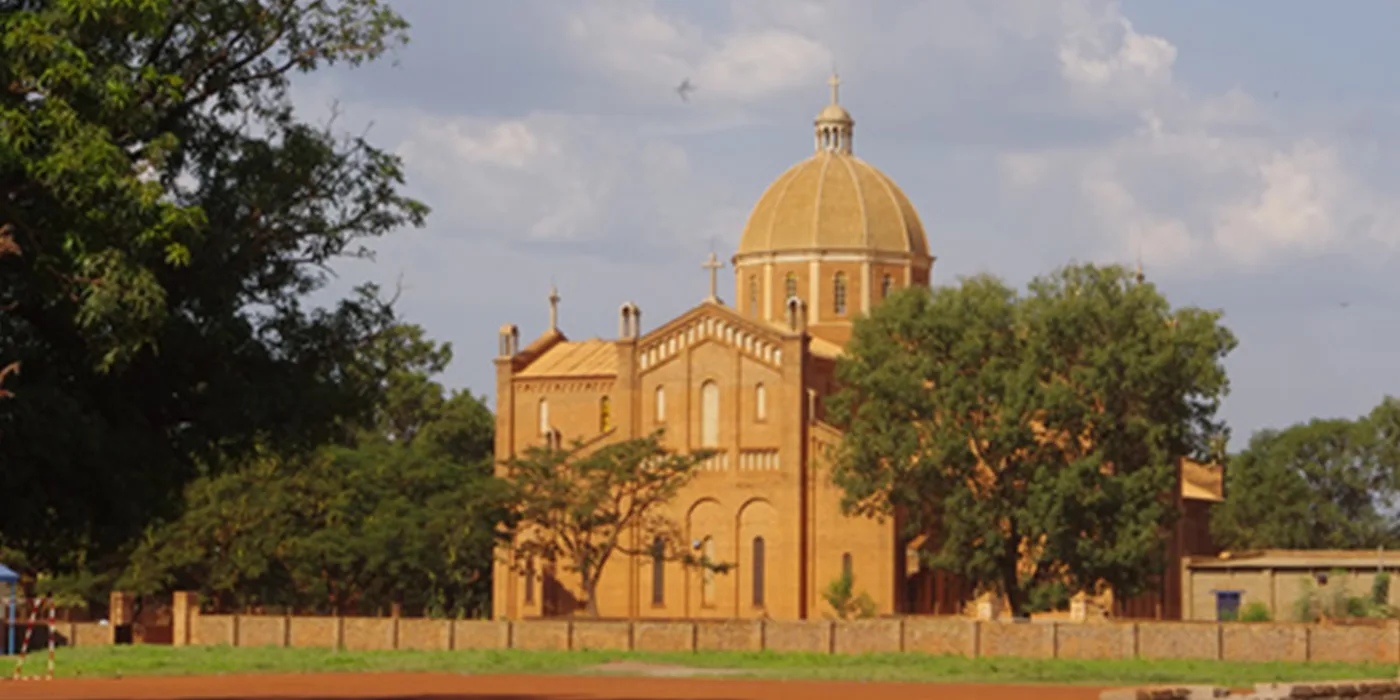
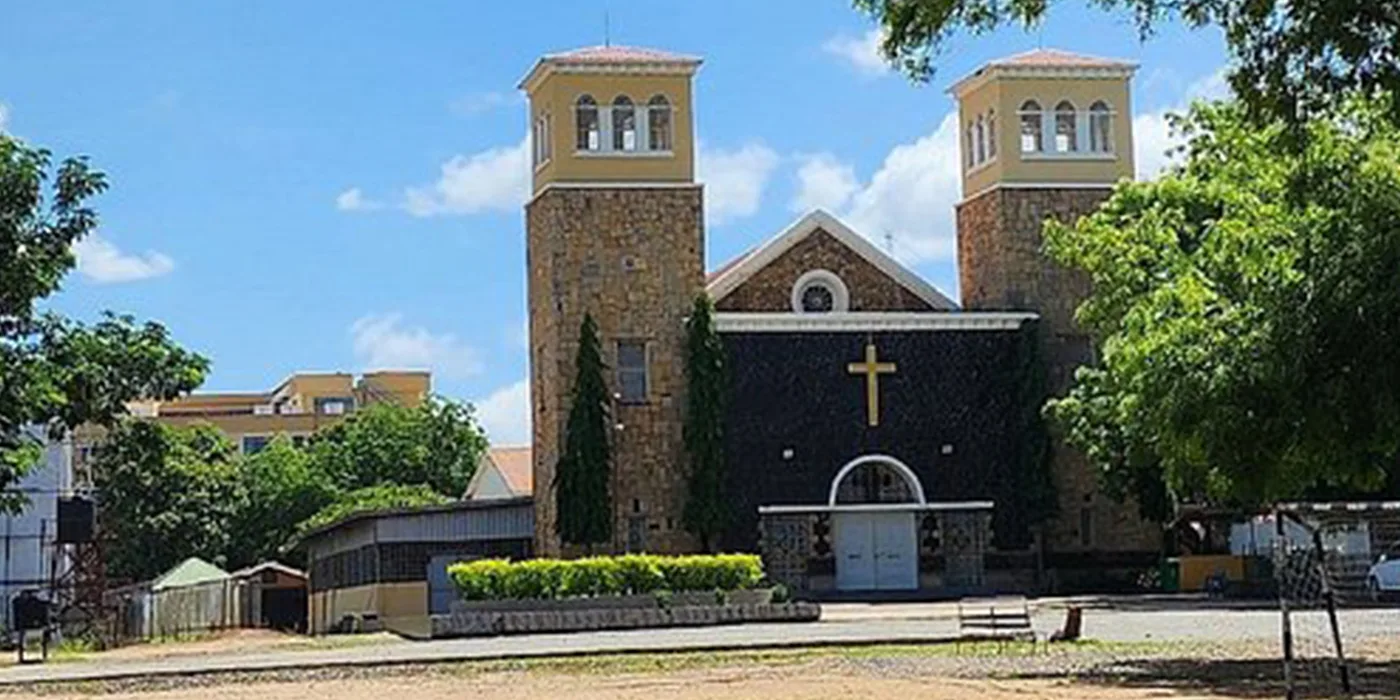
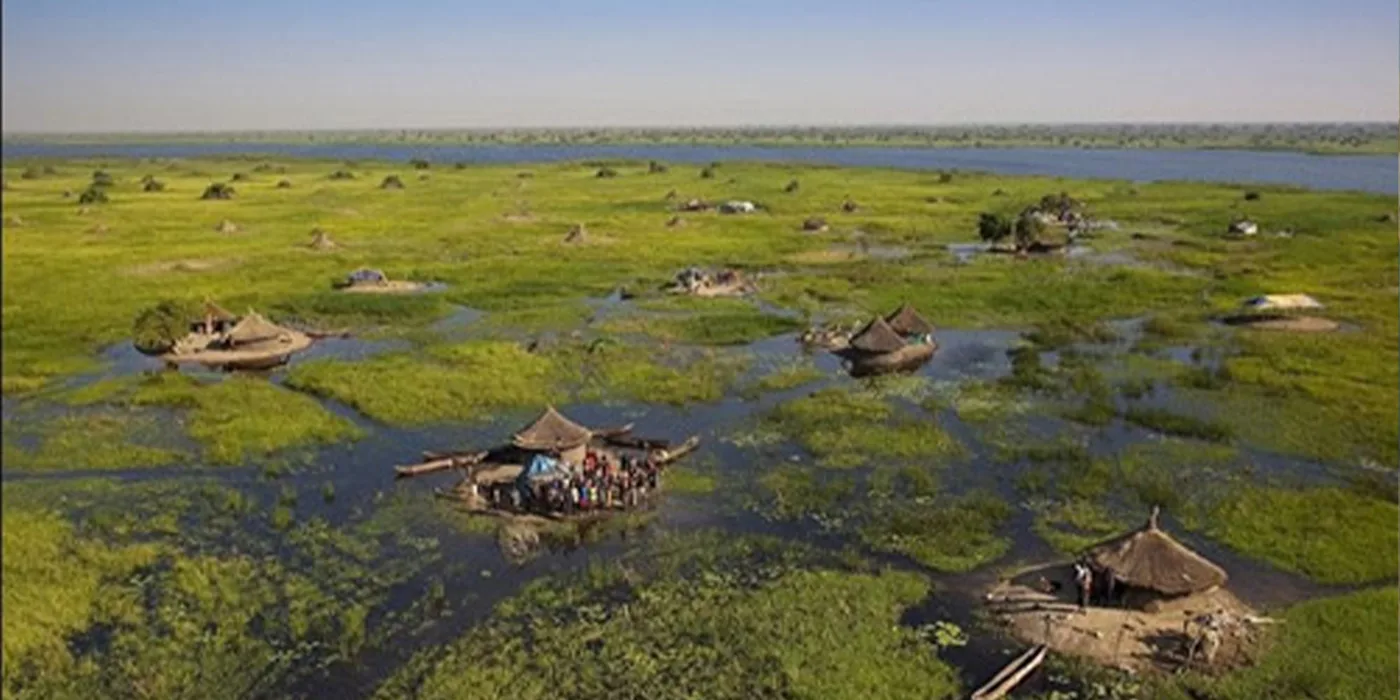
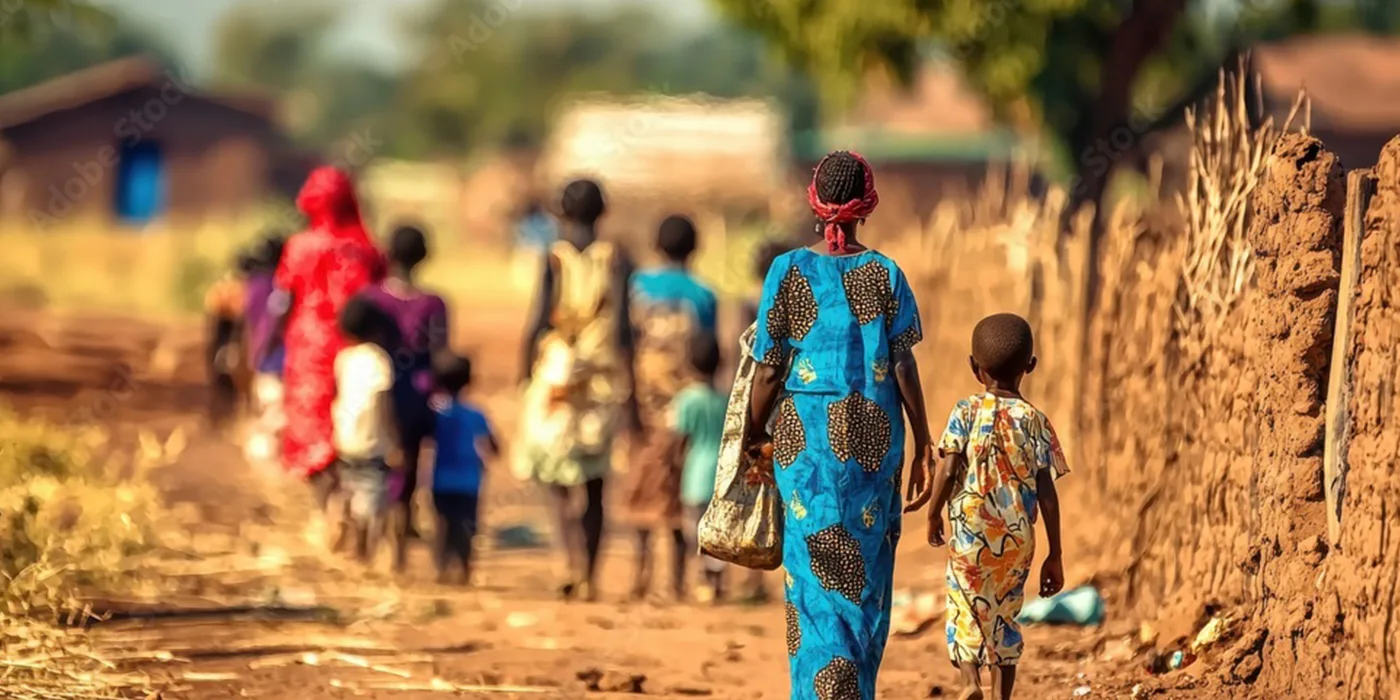
Discover the raw beauty and cultural richness of South Sudan on this 8-day tribal expedition into one of Africa’s most isolated and authentic regions. This immersive journey takes you far from the modern world, offering rare access to traditional communities whose way of life has remained largely unchanged for generations.
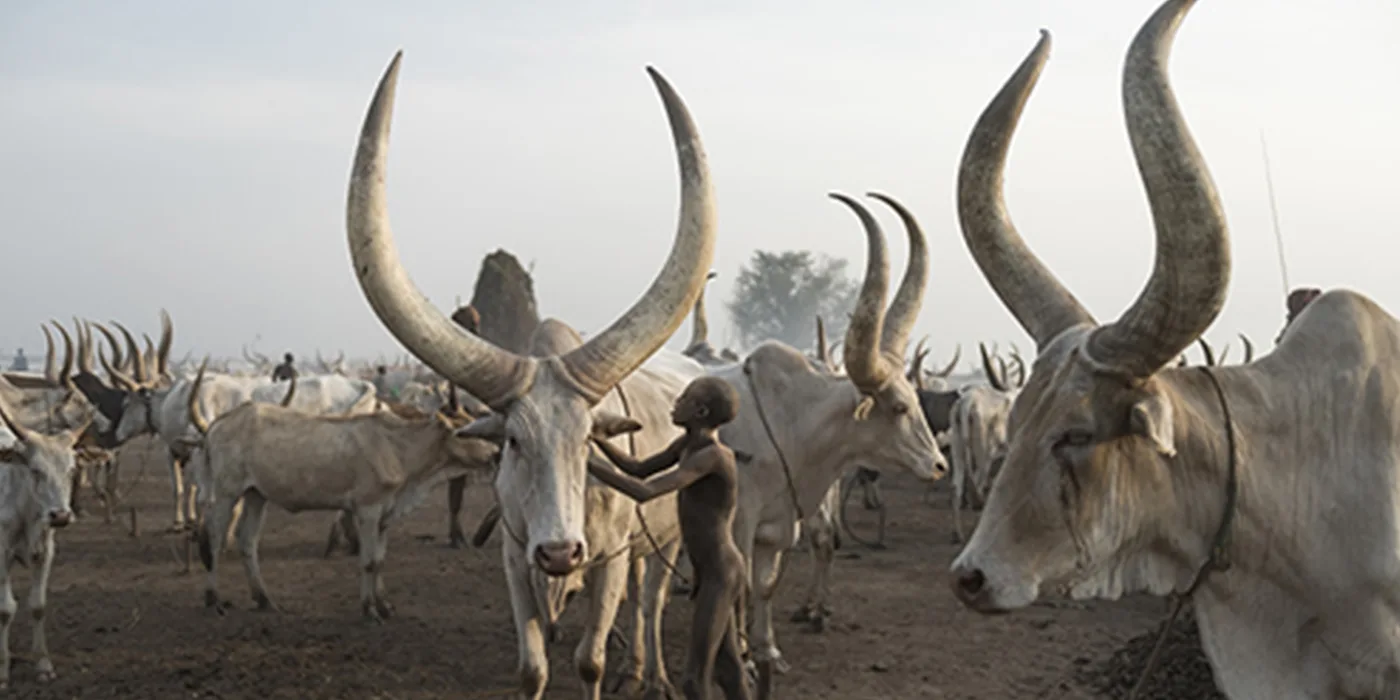
Travel with expert guides to visit the Mundari, famed for their striking cattle camps, ash-covered bodies, and close relationship with livestock. Explore the remote lands of the Toposa, Larim (Boya), or other Nilotic tribes, where body scarification, elaborate beadwork, and ancient rituals are still practiced. Participate in respectful cultural encounters, traditional dances, and sunrise or sunset photography sessions in unforgettable landscapes.
With basic but comfortable accommodations (including wild camping where needed), secure logistics, and deep local knowledge, this tour is designed for adventurous travelers, photographers, and culture seekers looking to engage authentically with South Sudan’s tribal heartlands.
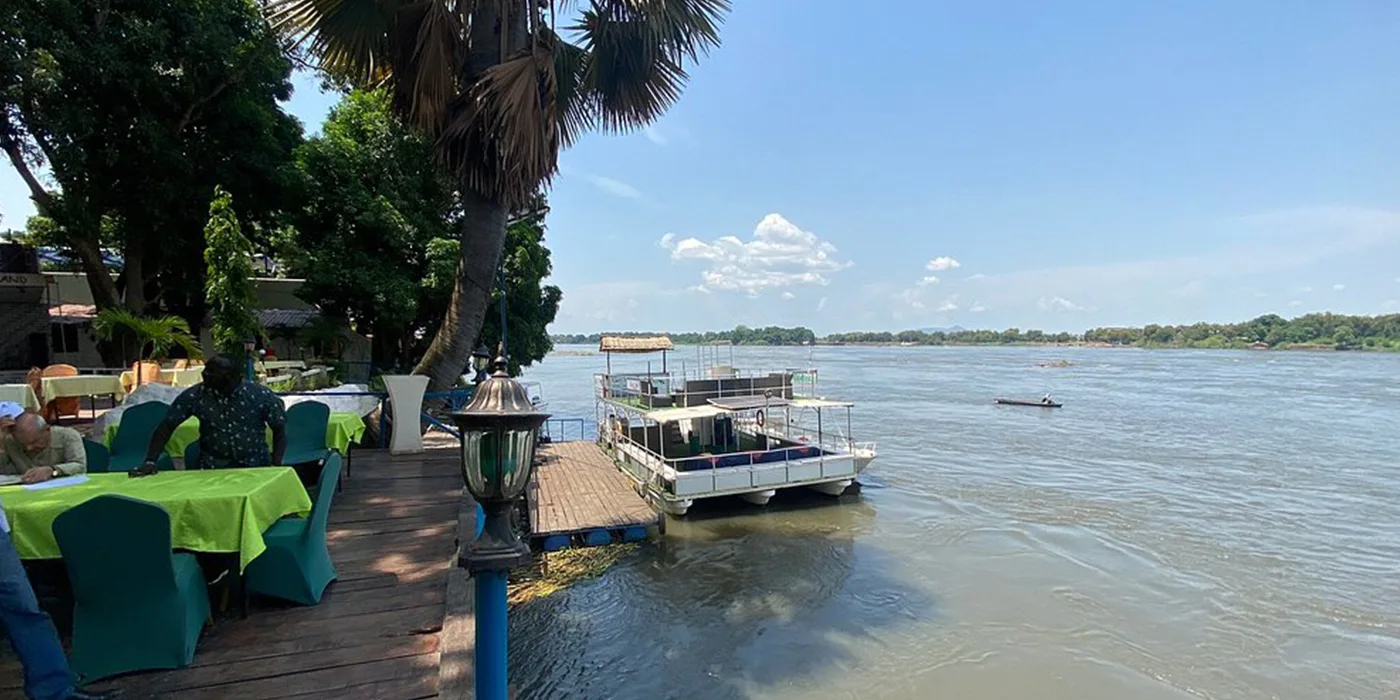
Day 1 begins with your arrival in Juba, the capital city of South Sudan. After completing immigration formalities, you are welcomed by your local guide and transferred to your hotel. In the afternoon, depending on arrival time, you take a short city tour to get oriented. This may include a visit to the John Garang Mausoleum, the bustling Juba market, and a walk along the Nile River to observe local life. It’s a day to rest, adjust, and prepare for the journey into South Sudan’s remote tribal regions.
On Day 2, you travel eastward by vehicle or domestic flight to Kapoeta, the gateway to the tribal lands of Eastern Equatoria. The landscape shifts dramatically as you leave Juba behind and enter drier, more rugged terrain. After arriving in Kapoeta, you are introduced to the Toposa people, one of the region’s most prominent tribes. You visit a nearby village to begin engaging with the community, learning about their traditions of cattle herding, body scarification, and elaborate beadwork. Overnight is spent at a local guesthouse or basic camp in or near Kapoeta.
Day 3 is dedicated to deeper exploration of the Toposa tribal culture. You rise early and spend the full day in remote villages, accompanied by local guides and translators. The Toposa are semi-nomadic pastoralists whose lives revolve around cattle, and they maintain distinctive cultural practices including traditional dress, jewelry, and body markings. You may have the opportunity to witness a local ceremony or dance, and you’ll be invited into homes to better understand daily life. You return to your camp or guesthouse in the evening.
On Day 4, you head south toward the border area near the Omo River to visit the Dassanech people, whose communities straddle the South Sudan–Ethiopia border. Known for their adaptability and strong cultural identity, the Dassanech live in hot, arid conditions and are skilled pastoralists and fishermen. You visit a village near the river and interact with the community, learning about their social organization and survival techniques in this challenging environment. In the evening, you return to the Kapoeta area or camp near a Dassanech settlement, depending on logistics and local conditions.
Day 5 brings a change of scenery as you travel northwest toward the Boya Hills, home to the Larim (Boya) people. The journey offers striking views of granite outcrops and dry riverbeds. Once you reach the Boya region, you visit hillside villages with round thatched houses and intricately painted body art. The Larim are known for their colorful ornamentation and unique style of dress. You spend the evening in a tented camp or homestay, enjoying the peaceful surroundings and evening fireside stories from local elders.
On Day 6, you remain in the Boya area for further exploration. You hike between villages and engage with the community to learn more about their customs, especially their rites of passage, musical traditions, and agricultural lifestyle. Photography is possible with permission, and the region offers excellent opportunities to capture dramatic landscapes and traditional life. You return to your camp for one final night in the Boya Hills.
Day 7 is the return journey to Juba. Depending on your route, you may pass through Torit or stop in smaller settlements to break up the drive. Along the way, there may be opportunities to visit other tribal communities such as the Lopit, known for their colorful clothing and unique dances. You arrive back in the capital in the late afternoon or evening and check into your hotel for a well-earned rest after several days of travel through remote and culturally rich regions.
Day 8 marks the end of your South Sudan tribal adventure. Depending on your flight time, you may take a short morning walk or revisit the local market before your transfer to Juba International Airport. You depart with unforgettable memories of the diverse tribes, welcoming communities, and striking landscapes of this seldom-visited country.
FromPrice on Request
About
Serina hotel ( 4rth floor),
Bekelech St, 2Q4M+RV8,
Addis Ababa, Ethiopia
+251 91 355 0959
+251 91 156 0986
Top Destination
We work with






We use cookies to improve your experience on our site. By using our site, you consent to cookies.
Manage your cookie preferences below:
Essential cookies enable basic functions and are necessary for the proper function of the website.
These cookies are needed for adding comments on this website.
Google Tag Manager simplifies the management of marketing tags on your website without code changes.
Statistics cookies collect information anonymously. This information helps us understand how visitors use our website.
SourceBuster is used by WooCommerce for order attribution based on user source.