No products in the cart.
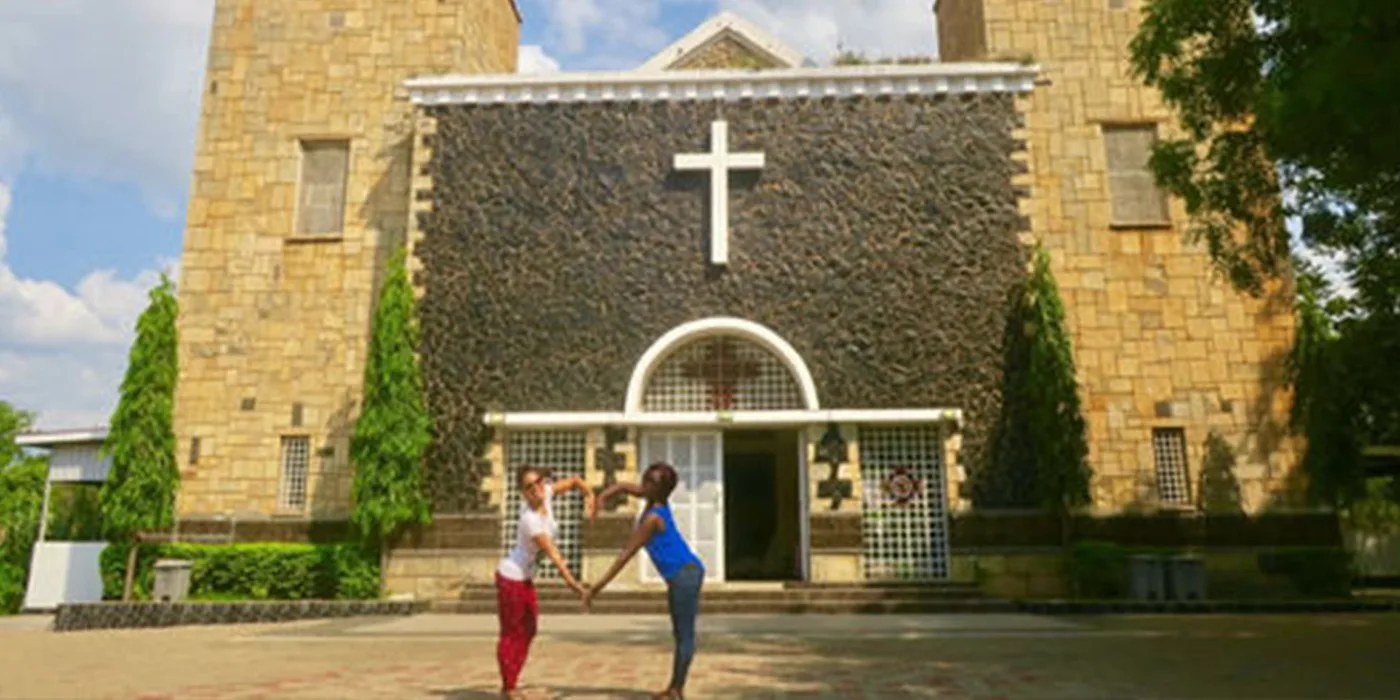

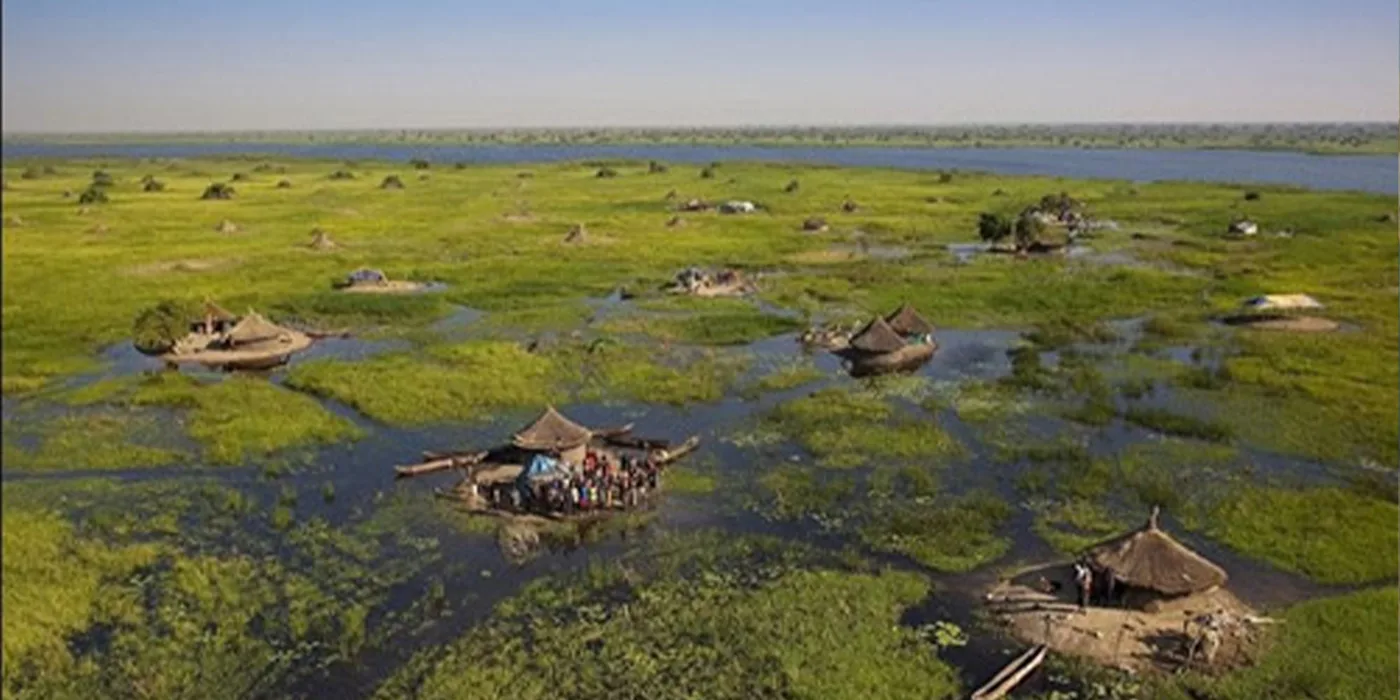
Africa’s last frontiers with this extraordinary 10-day journey through South Sudan, where ancient tribal cultures remain deeply rooted and proudly preserved. This guided expedition takes you deep into the heart of the country’s remote regions to engage with some of its most iconic and visually striking ethnic groups.
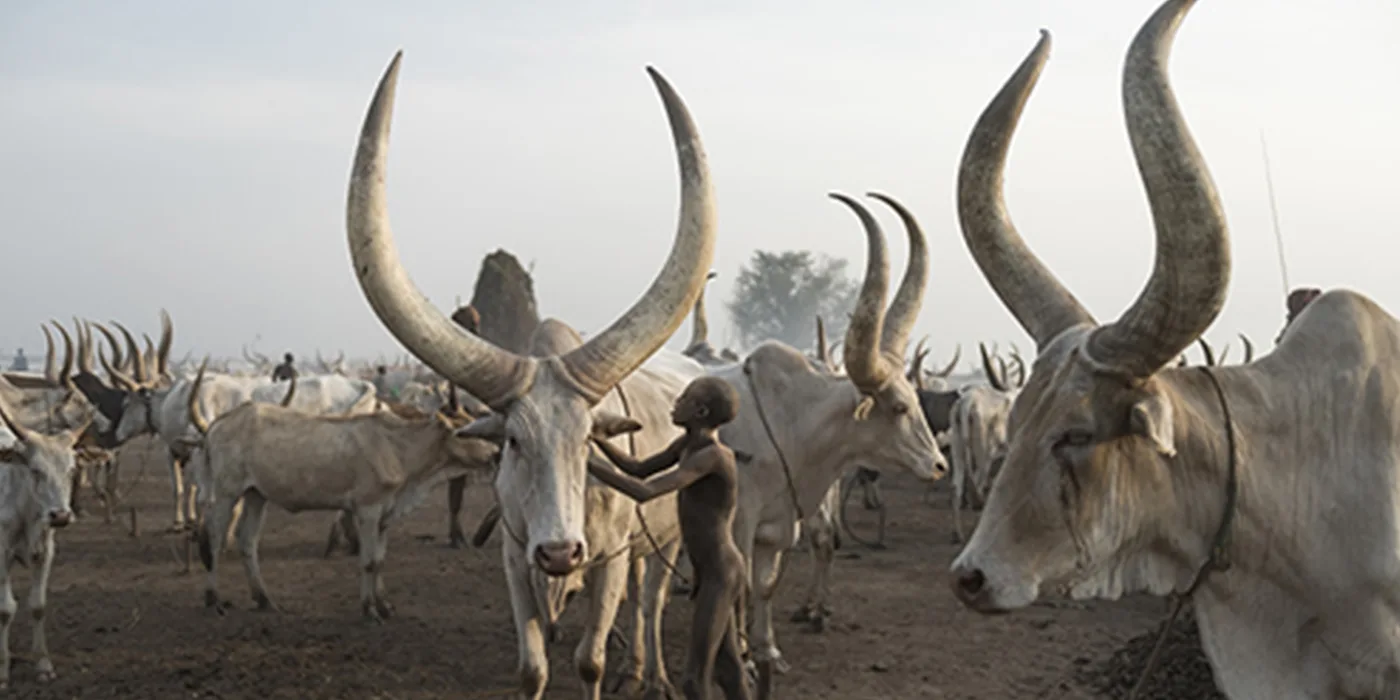
Travel across vast savannahs and river valleys to visit tribes such as the Mundari, known for their dramatic cattle camps and ash-covered body art; the Toposa, adorned with intricate scarification and traditional jewelry; and the Larim (Boya), who inhabit the rugged hills of Eastern Equatoria. You’ll witness ceremonial rituals, traditional dances, and daily life practices that few outsiders ever experience.
Led by experienced guides and local facilitators, this tour emphasizes respectful cultural interaction, photographic opportunities, and deep insight into some of the oldest living traditions on the African continent. Accommodations range from basic lodges to wild bush camping, making this an authentic and raw adventure for seasoned travelers seeking something rare, real, and unforgettable.
Day 1 begins with your arrival in Juba, the capital of South Sudan. Upon landing, you are met by your guide and transferred to your hotel. After some rest, you can take a short orientation tour of the city, visiting landmarks such as the Juba market and the John Garang Mausoleum. This day serves as your introduction to the culture, atmosphere, and pace of life in the world’s youngest country.
On Day 2, you take a domestic flight or overland journey to the town of Kapoeta in Eastern Equatoria State, located in the southeastern part of the country. This area is home to the Toposa people, one of South Sudan’s most traditional and strikingly adorned tribes. After arriving in Kapoeta, settle into your accommodation and prepare for your cultural immersion. Depending on arrival time, you may visit a nearby Toposa village for a brief introduction.
Day 3 is dedicated to exploring the villages of the Toposa. You spend the day visiting remote communities, learning about their body scarification practices, beadwork, and pastoral lifestyle. The Toposa are semi-nomadic cattle herders, and their customs are closely tied to their livestock. You have opportunities to interact with villagers, take photographs (with permission), and witness traditional dances or ceremonies if available. Overnight is spent in Kapoeta or in a nearby camp.
On Day 4, the journey continues toward the Boya Hills, home to the Larim (or Boya) people. The drive offers stunning views of the arid landscape dotted with granite outcrops. Upon arrival, you explore Boya villages perched on hillsides and surrounded by beautiful scenery. The Larim are known for their body painting and architectural style, building round huts with decorative thatched roofs. You camp near one of the villages and spend the evening learning about their traditions.
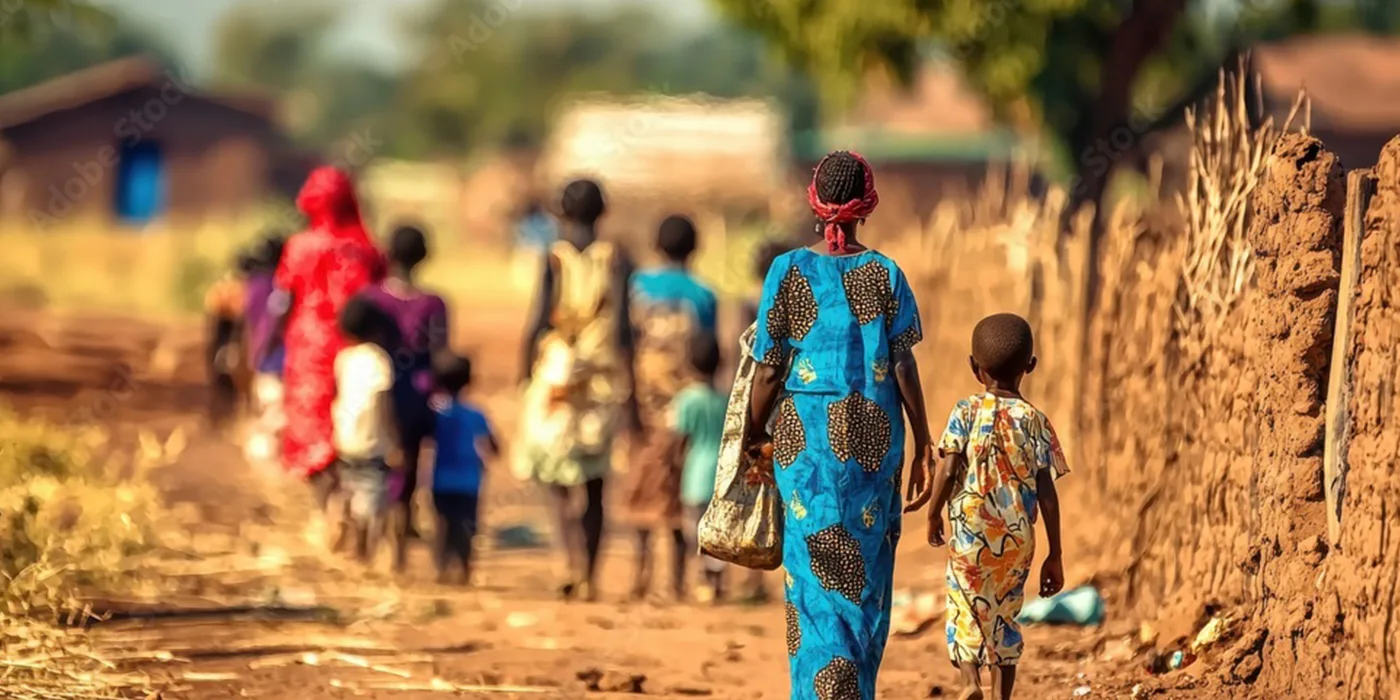
Day 5 is spent further exploring the Boya area. You join the community in their daily activities, such as fetching water, grinding grain, or herding animals. The cultural experience is immersive and respectful, offering insights into the Larim’s way of life, their beliefs, and their connection to the land. In the late afternoon, enjoy the panoramic views of the savannah below from your camp.
On Day 6, you travel to the Lotuko region near Torit. The Lotuko people live in stone built villages often nestled into the hills. After arriving in the area, you visit their settlements and learn about their clan based social structure, animist traditions, and agricultural lifestyle. The Lotuko are skilled farmers and builders, and their hillside villages are among the most scenic in the region. You camp in or near a Lotuko village.
Day 7 is a full day spent with the Lotuko. You hike around the area, explore ancient paths and shrines, and meet elders who share stories of their heritage. This day provides a deeper understanding of how traditional beliefs blend with modern influences in remote South Sudanese communities. The evening is spent around the campfire, often with songs or storytelling from the local hosts.
On Day 8, you begin the return journey toward Juba, stopping in smaller towns and regions along the way. Depending on the route and time available, you may visit additional tribal groups such as the Lopit, who are known for their vibrant dress and agricultural skills. You arrive in Juba in the evening and check into your hotel, with time to relax after days of travel.
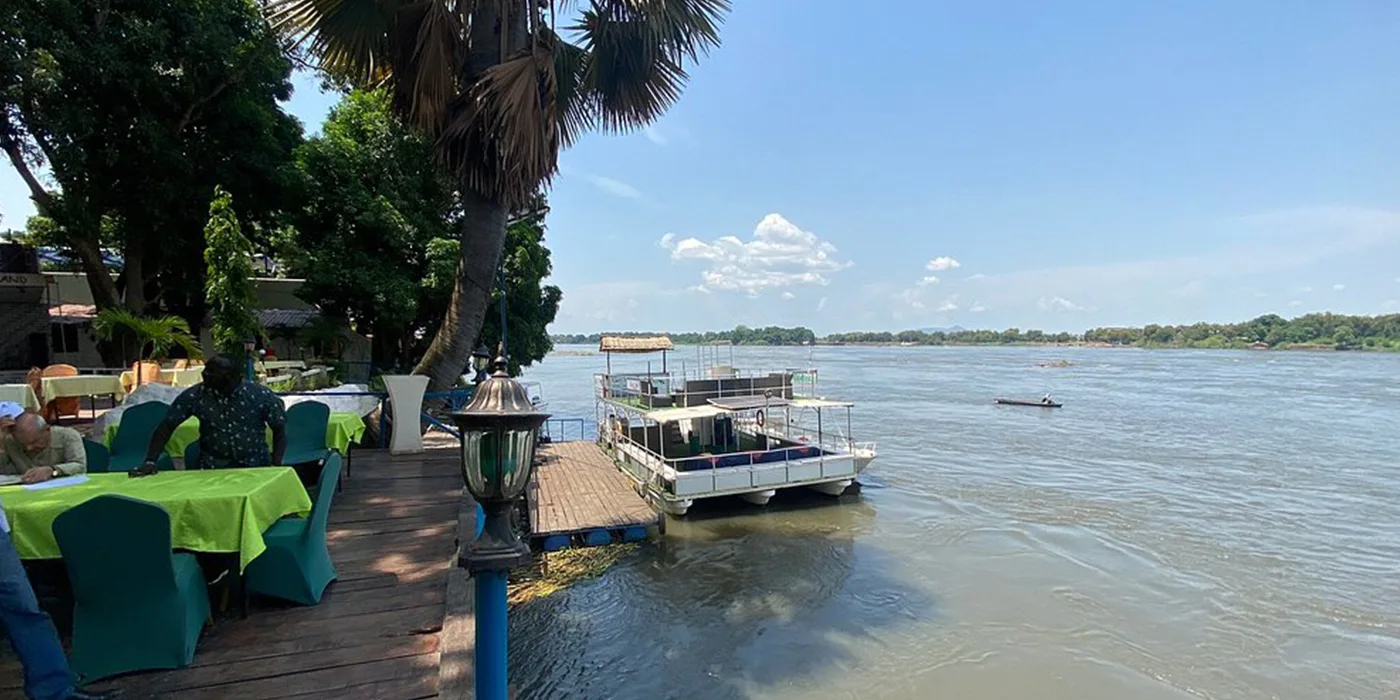
Day 9 is spent in and around Juba. You can revisit the market for souvenirs, meet with local artists or musicians, or take a cultural walk along the Nile River. If available, a visit to a Dinka community near the city may be arranged, offering a final chance to observe one of South Sudan’s largest and most influential tribes. This day serves as a soft landing and reflection on your cultural journey.
Day 10 marks the end of your tour. After breakfast, depending on your flight schedule, you are transferred to Juba International Airport for your departure. The memories of the diverse tribes, striking landscapes, and unique cultural encounters of South Sudan accompany you as you leave this rarely visited but culturally rich country.
FromPrice on Request
Lucy Ethiopia Tours
Bedria City Mall l Haya Hulet,
7th Floor, Office No: 607
Addis Ababa, Ethiopia
+251 91 355 0959
+251 91 156 0986
info@lucyethiopiatours.com
kiros@lucyethiopiatours.com
Follow Us
Top 10 Destinations
We work with








Payment channels

We use cookies to improve your experience on our site. By using our site, you consent to cookies.
Manage your cookie preferences below:
Essential cookies enable basic functions and are necessary for the proper function of the website.
These cookies are needed for adding comments on this website.
Google Tag Manager simplifies the management of marketing tags on your website without code changes.
Statistics cookies collect information anonymously. This information helps us understand how visitors use our website.
SourceBuster is used by WooCommerce for order attribution based on user source.